While the exact impact varies by location and design quality, understanding how outdoor living spaces affect home value helps explain why these features make homes more appealing and competitive in the real estate market.
Outdoor living spaces have become increasingly popular as homeowners seek to expand their usable space beyond the walls of the house. Patios, decks, outdoor kitchens, and landscaped seating areas allow families to relax, entertain guests, and enjoy fresh air without leaving home. As a result, many buyers now view well-designed outdoor areas as an extension of the living space.
Because of this growing demand, outdoor improvements can influence how buyers perceive a property’s value.
Expanding Functional Living Space
One of the main ways outdoor living areas affect home value is by expanding the functional space available for everyday activities. Even though patios and decks are not counted as interior square footage, they still contribute to how buyers experience the property.
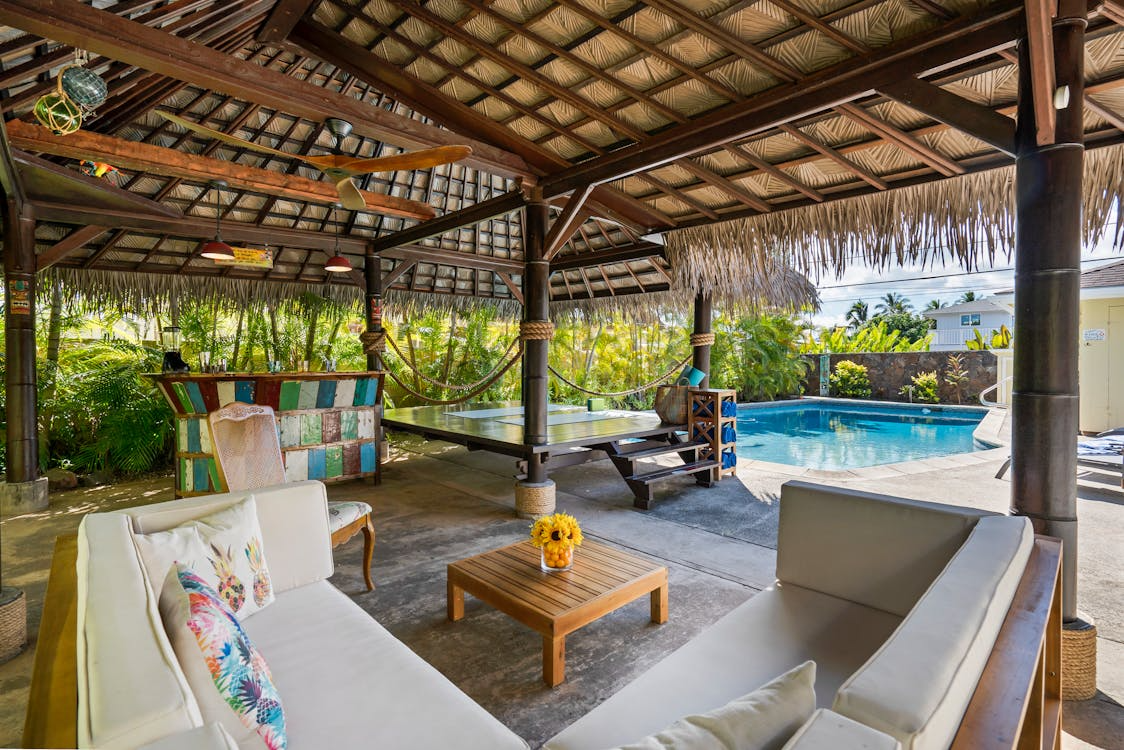
Outdoor seating areas provide space for relaxing, socializing, or dining outside. These areas can be particularly valuable in regions with mild climates where homeowners spend significant time outdoors.
When designed well, outdoor spaces can feel like an extension of the home’s interior living areas, offering additional places to gather and entertain.
Explore How Square Footage Impacts Property Value for more on usable space value.
Decks and Patios
Decks and patios are among the most common outdoor improvements homeowners consider. These features create comfortable surfaces for outdoor furniture, grilling areas, and casual gatherings.
Wood decks, composite decks, and stone patios can all add visual appeal and functionality. In many markets, decks are particularly desirable because they offer elevated outdoor views and direct access from the house’s main living area.
Patios, especially those built with durable materials like concrete pavers or natural stone, offer long-lasting outdoor living areas that require relatively low maintenance.
See Renovations That Typically Increase Home Value the Most for upgrade ideas.
Outdoor Kitchens and Entertainment Areas
Some homeowners take outdoor living spaces a step further by adding kitchens or entertainment areas. These upgrades may include built-in grills, countertops, sinks, refrigerators, or fire pits.
Outdoor kitchens can be especially appealing to buyers who enjoy hosting gatherings or cooking outside during warm seasons. These spaces often become focal points for social events and family activities.
However, the value added by outdoor kitchens depends on the quality of construction and buyers’ expectations in the area. In some neighborhoods, simpler patio setups may be sufficient.
Read When Renovations Don’t Add Value for smarter upgrade decisions.
Landscaping and Visual Appeal
Landscaping plays a major role in shaping how buyers perceive a home’s outdoor environment. Well-maintained lawns, attractive plants, and thoughtful garden design can create a welcoming first impression.
Trees, shrubs, and flower beds can also provide shade, privacy, and visual interest. Pathways, lighting, and decorative features can further enhance the overall experience of outdoor spaces.
Although landscaping improvements may not dramatically increase appraised value, they often enhance curb appeal, attracting more buyer interest during the selling process.
Check Curb Appeal Changes That Can Raise Home Value for exterior improvement ideas.
Climate and Regional Preferences
The impact of outdoor living spaces on home value often depends on climate and regional lifestyle preferences. In areas with warm or moderate weather, outdoor spaces can be used year-round.
In colder climates, outdoor spaces may still be valuable but used primarily during certain seasons. Features such as covered patios, pergolas, or outdoor heaters can extend the usability of these areas.
Local buyer expectations also matter. In some regions, large outdoor entertaining spaces are highly desirable, while in others, buyers may prioritize indoor square footage instead.
Balancing Cost and Return
Outdoor living improvements can enhance both enjoyment and property appeal, but homeowners should carefully consider the cost of these projects. Large outdoor renovations can become expensive, particularly when adding built-in kitchens or custom landscaping.
Projects that create comfortable seating areas, attractive patios, or well-designed decks often provide a balance between cost and value. These features enhance usability without requiring extremely large investments.
When outdoor improvements complement the home’s architecture and neighborhood standards, they can make a property more appealing and potentially increase its market value.