Understanding how home offices contribute to value can help homeowners make thoughtful decisions about adding this type of space.
In recent years, home offices have become one of the most desirable features in residential real estate. As remote work and flexible employment arrangements have grown more common, buyers increasingly look for homes that provide a dedicated workspace. A well-designed home office can boost daily productivity and make a property more attractive to future buyers.
Because of this shift in how people use their homes, adding a home office can influence property value. While the financial impact varies by home and neighborhood, functional workspaces often strengthen buyer interest and improve how a property compares with similar homes on the market.
Why Home Offices Have Become More Valuable
The rise of remote and hybrid work has significantly changed how buyers evaluate living space. Many homeowners now need quiet areas where they can focus, attend virtual meetings, or manage professional tasks throughout the day.
Because of this need, buyers increasingly prioritize homes that offer dedicated workspaces. A separate office provides privacy and organization that a temporary desk in a living room or bedroom cannot match.
Even for buyers who do not currently work from home full-time, a flexible workspace can be appealing. Home offices can also serve as study areas, creative studios, or administrative spaces for managing household responsibilities.
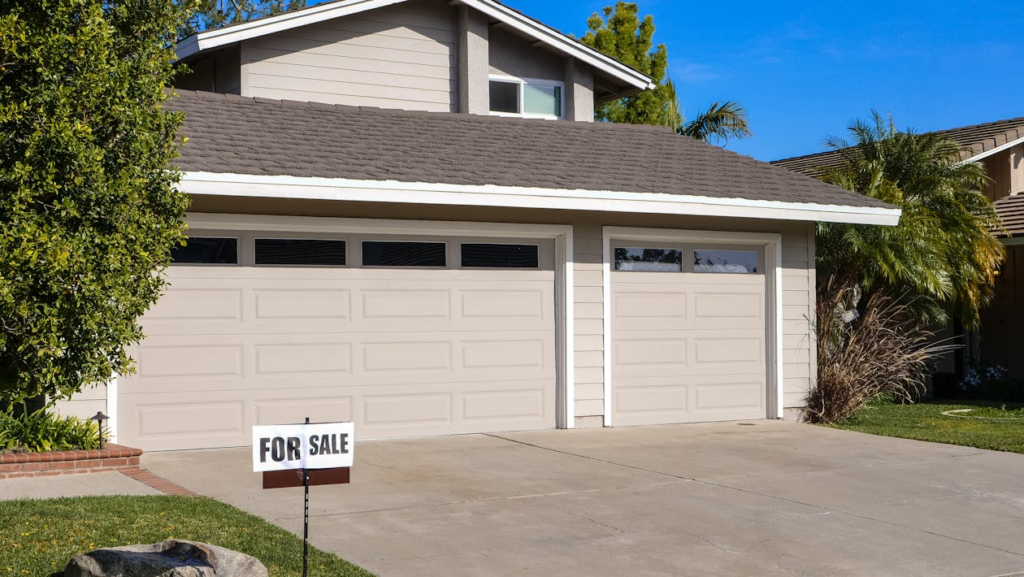
Explore The Value of Garage Space in Residential Properties for insight into functional home features.
Converting Existing Space Into an Office
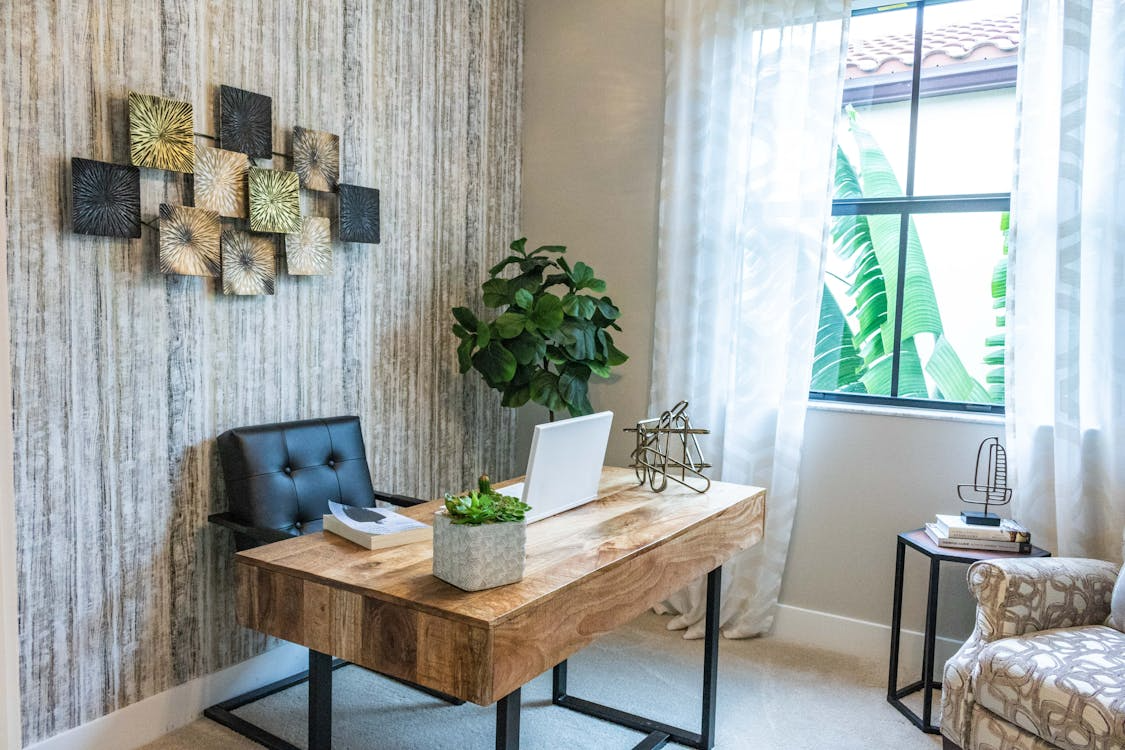
In many cases, homeowners add home offices by repurposing existing space rather than constructing entirely new rooms. Spare bedrooms, unused dining rooms, and finished basement areas are common locations for office conversions.
These conversions can improve functionality without requiring major construction projects. By adding proper lighting, storage, and comfortable workspace furniture, homeowners can transform underused rooms into productive environments.
Because these changes typically do not alter the home’s structure, the financial investment may be relatively modest while still increasing buyer appeal.
See Does Adding a Bedroom Increase Home Value? for comparison with other space conversions.
Purpose-Built Home Offices
Some homeowners choose to build dedicated office spaces as part of larger renovations. This might involve adding a room extension, converting an attic, or redesigning interior layouts to create a quiet workspace.
Purpose-built offices often include features that improve productivity, such as sound insulation, built-in shelving, and enhanced lighting. These improvements can create a professional environment within the home.
While such projects can increase property values, their return on investment depends on buyers’ expectations in the local market. In areas where remote work is common, dedicated offices may become highly desirable features.
Learn How Renovations Affect Appraised Value to see how upgrades influence valuation.
Location and Design Considerations
The placement of a home office within the house can influence how valuable it appears to buyers. Offices located in quiet areas, away from high-traffic living spaces, often offer better privacy and concentration.
Natural light is another important factor. Offices with windows and pleasant views tend to feel more comfortable and inviting than spaces located in dark or enclosed areas.
Functional design elements such as built-in storage, strong internet connectivity, and adequate electrical outlets also contribute to the usability of a home office.
When Home Offices Add Less Value
Although home offices have become increasingly popular, not every conversion significantly increases property value. In smaller homes with limited bedroom count, converting a bedroom into an office could reduce overall appeal to families who need sleeping space.
In these cases, flexible rooms that can function as either bedrooms or offices may be more attractive to buyers. Staging the room as a workspace while preserving its potential as a bedroom can provide greater versatility.
Additionally, highly specialized office designs may not appeal to all buyers. Neutral, adaptable spaces often perform better in the resale market.
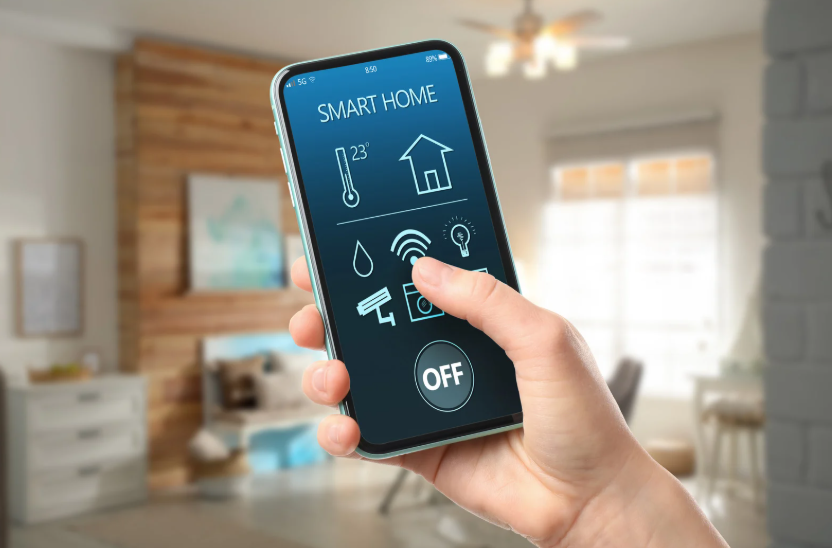
Read Smart Home Features and Property Value for insight into modern buyer preferences.
Balancing Flexibility and Function
The most valuable home offices are those that balance productivity with flexibility. Buyers appreciate spaces that support remote work while also serving multiple purposes as household needs change.
Rooms that function as offices, guest rooms, or creative spaces tend to appeal to a broader range of buyers. This adaptability can strengthen a property’s overall value.
By thoughtfully designing a workspace that feels comfortable, functional, and versatile, homeowners can add a feature that enhances daily life while potentially increasing long-term property appeal.