Because lifestyle factors have become increasingly important in modern real estate decisions, the presence of nearby amenities continues to play a meaningful role. Understanding how nearby amenities affect property value can help explain why some neighborhoods attract stronger demand.
When buyers evaluate a home, they are not only looking at the property itself. The surrounding environment plays a major role in determining how desirable a home feels and how much buyers are willing to pay. Nearby amenities, such as parks, shopping centers, restaurants, schools, and transportation options, can significantly influence property value by shaping everyday lifestyle convenience.
Amenities enhance a neighborhood’s livability by making essential services and recreational opportunities easily accessible. Communities that offer convenient access to amenities often attract more buyer interest, which can drive higher demand and stronger home prices.
Parks, Recreation, and Green Spaces
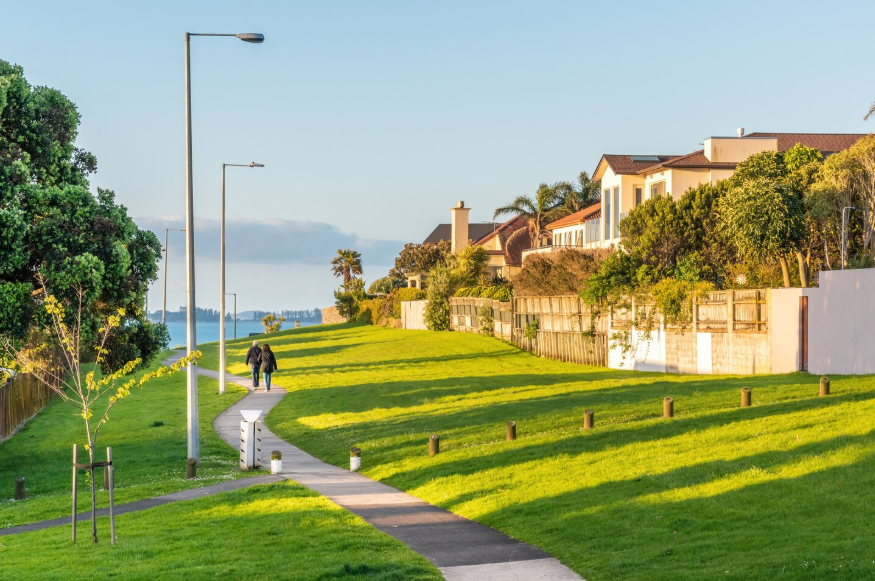
Access to parks and outdoor recreation areas is one of the most desirable neighborhood amenities for many buyers. Green spaces offer opportunities for exercise, relaxation, and social gatherings, thereby contributing to a higher quality of life.
Homes near well-maintained parks often attract more buyer interest. Families appreciate playgrounds and sports facilities, while individuals and couples may value walking trails, open lawns, or scenic natural areas.
Parks can also enhance a neighborhood’s visual appeal by preserving open space and creating attractive surroundings. This environmental benefit often contributes to stronger long-term demand for property.
Because outdoor recreation opportunities improve both lifestyle and neighborhood aesthetics, proximity to parks frequently supports higher home values.
Explore How Neighborhood Quality Impacts Home Value for insight into location-driven value.
Shopping, Dining, and Everyday Convenience
Access to retail stores, grocery markets, and restaurants is another factor that influences property desirability. Buyers often prefer neighborhoods where everyday errands can be completed quickly and conveniently.
Being close to grocery stores, pharmacies, and other essential services can make daily life more efficient. For many buyers, especially those with busy schedules, the convenience of nearby shopping is a significant advantage.
Dining options and entertainment venues can also increase neighborhood appeal. Restaurants, cafes, and cultural attractions help create vibrant communities where residents enjoy gathering and socializing.
When these amenities are easily accessible, homes in the surrounding area may attract stronger demand and higher property prices.
See How Walkability and Amenities Influence Property Prices for more on buyer demand.
Transportation and Accessibility
Transportation infrastructure plays an important role in connecting residents to employment centers and regional amenities. Homes located near public transit systems, major highways, or commuter routes often appeal to buyers who prioritize easy travel.
In urban and suburban markets alike, proximity to train stations or reliable bus routes can make a neighborhood more attractive to commuters. Shorter travel times and convenient transportation options improve daily routines and increase housing demand.
Even in areas where driving is the primary mode of transportation, access to well-designed road networks can influence how convenient a location feels. Neighborhoods with strong connectivity often attract more buyers because residents can easily reach workplaces, schools, and recreational destinations.
This accessibility contributes to long-term desirability and helps support property value growth.
Learn How Local Development Can Change Property Values for added accessibility context.
Schools and Community Services
Educational institutions and community services are also considered important neighborhood amenities. Families with children often prioritize access to nearby schools, libraries, and youth programs when choosing where to live.
Well-regarded schools can attract consistent housing demand because families actively seek homes within those districts. As demand increases, property values in these areas often rise accordingly.
Community services such as healthcare facilities, public libraries, and recreational centers also contribute to neighborhood quality. These resources provide residents with convenient access to essential services and support community engagement.
When a neighborhood offers a strong network of services and institutions, it tends to maintain stable buyer interest over time.
Read The Impact of Neighborhood Trends on Property Prices for neighborhood value shifts.
Balancing Amenities and Neighborhood Comfort
While nearby amenities generally increase property appeal, their impact depends on how well they fit within the neighborhood. Homes located too close to busy commercial centers may experience increased traffic, noise, or congestion.
For example, properties directly adjacent to large shopping complexes or entertainment districts may face challenges related to parking and activity levels. Some buyers may prefer homes close to amenities, but that still maintain a sense of residential quiet.
The most desirable neighborhoods often strike a balance between accessibility and comfort. Amenities are close enough to be convenient but not so close that they disrupt daily life.
This balance helps maintain strong buyer demand and supports long-term property value.
Ultimately, nearby amenities shape how residents experience their neighborhoods every day. Access to parks, retail centers, transportation, and community services contributes to convenience, recreation, and overall quality of life. As buyers increasingly prioritize livability alongside home features, the presence of desirable amenities continues to influence property values in many housing markets.