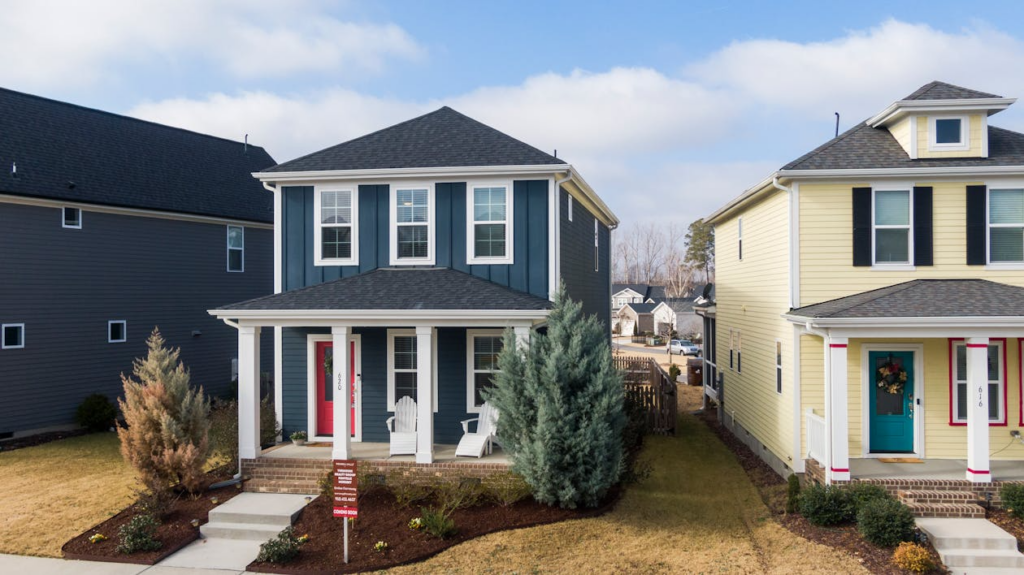

Understanding how comparable sales in real estate work can help homeowners interpret property estimates and make smarter pricing decisions.
When homeowners hear the term “comparable sales,” often shortened to “comps,” they may assume it simply means looking at a few nearby homes that recently sold. In reality, comparable sales are among the most important tools for estimating property value, and they involve careful analysis of similar homes in a specific market.
Real estate professionals, appraisers, and automated valuation models rely heavily on comps because they reflect actual buyer behavior. A home’s value is not determined by what someone hopes to sell it for, but by what buyers have recently been willing to pay for similar properties nearby.
What Counts as a Comparable Property
A comparable property is a recently sold home that closely resembles the property being evaluated. The closer the match, the more useful the comparison becomes. Real estate professionals usually look for homes that share several core characteristics.
Location is the first requirement. Ideally, comps come from the same neighborhood or subdivision. If possible, they should be within a short distance of the subject property, since even small geographic differences can influence value.
Other important characteristics include square footage, number of bedrooms and bathrooms, lot size, home style, and age of construction. A 2,000-square-foot ranch home built in the 1990s will typically be compared to homes with similar layouts and construction periods rather than a newly built modern property.
Explore Why Some Neighborhoods Appreciate Faster Than Others to understand location-based growth.
Why Recent Sales Matter Most
Timing plays a crucial role when evaluating comparable sales. Real estate markets can change quickly depending on supply, demand, and interest rates. Because of this, the most reliable comps are usually homes sold within the past three to six months.
Older sales may still provide context, but their relevance declines as market conditions change. For example, if home prices have been rising quickly, a sale from a year ago may underestimate the value of a similar property today.
Appraisers and real estate agents, therefore, prioritize the most recent transactions available. When multiple recent comps exist, they provide a clearer picture of what buyers currently consider a fair price.
Learn How Market Cycles Affect Home Value Estimates for insight into timing and pricing changes.
Adjustments for Differences Between Homes
Even the best comparable sales are rarely identical to the property being evaluated. Because of this, professionals adjust the comparison to account for differences between properties.
For example, if a comparable home sold for $420,000 but includes an additional bathroom, an appraiser may subtract value when comparing it to a home with fewer bathrooms. Likewise, if the subject property has a larger lot or a newer roof, value may be added to reflect those advantages.
These adjustments help create a more accurate estimate by isolating the impact of individual features. Instead of assuming two homes are worth the same, the process attempts to determine how specific differences influence price.
Read How Home Condition Influences Property Estimates to see how features affect valuation.
Why Nearby Homes Can Still Produce Different Values
It may seem surprising that homes on the same street can sell for different prices even when they appear similar. Comps help explain these variations.
Factors such as interior condition, remodeling updates, landscaping, and even views can influence buyer perception. A home with modern finishes and updated appliances may command a significantly higher price than a nearby property that has not been renovated in decades.
Timing also matters. A home that sold during a competitive seller’s market may have received multiple offers, pushing the final price higher than a similar property sold during a quieter period.
Check Why Two Homes on the Same Street Can Have Very Different Values for real-world pricing variations.
How Homeowners Can Interpret Comps
Homeowners often encounter comparable sales when checking online home value estimates or preparing to sell their property. Looking at comps can provide useful insight into how the market views similar homes.
However, interpreting comps requires careful attention to detail. Simply comparing sale prices without considering property differences can lead to misleading conclusions. A home priced higher than nearby sales may still be reasonable if it includes upgrades or unique features.
Real estate professionals analyze comps within the broader context of market conditions, buyer demand, and neighborhood trends. By understanding what comparable sales really represent, homeowners can better evaluate property estimates and make more informed decisions about their home’s value.