While the financial return varies by upgrade and local market, efficiency improvements can enhance both buyer perception and long-term property appeal.
Energy efficiency has become an increasingly important factor in real estate. As utility costs rise and homeowners become more conscious of environmental impact, buyers often pay closer attention to how efficiently a home operates. Improvements that reduce energy consumption can make a property more attractive while also lowering long-term operating costs.
Because of these benefits, many homeowners ask, do energy efficiency upgrades increase home value, and whether these improvements impact resale potential. Homes with modern insulation, efficient heating and cooling systems, and updated windows often stand out in competitive markets.
Lower Operating Costs for Buyers
One of the main reasons energy efficiency improvements affect property value is their impact on monthly expenses. Homes that require less energy to heat, cool, and power typically cost less to operate.
Buyers often consider these ongoing expenses when evaluating a home purchase. A property with lower utility costs may appear more affordable over time, even if its initial purchase price is slightly higher.
Features such as energy-efficient HVAC systems, modern insulation, and high-performance windows can significantly reduce heating and cooling costs. These improvements can make a home more appealing to buyers seeking predictable long-term expenses.
Read How Property Taxes Influence Home Pricing for more on long-term ownership costs.
Energy-Efficient Windows and Insulation
Windows and insulation play a major role in determining how efficiently a home retains heat in winter and stays cool in summer. Older homes often lose significant energy through poorly insulated walls or outdated windows.
Replacing single-pane windows with modern double- or triple-pane designs can improve temperature control and reduce energy waste. Improved insulation in attics, walls, and crawl spaces can also enhance overall efficiency.
These upgrades may not dramatically change a home’s appearance, but they can significantly improve comfort and reduce utility bills. Buyers who recognize these benefits often place higher value on homes that have already been upgraded.
Explore Curb Appeal Changes That Can Raise Home Value for related exterior upgrade ideas.
Modern Heating and Cooling Systems
Heating and cooling systems represent some of the largest energy expenses in a home. Older HVAC systems may consume more electricity or fuel while providing less consistent temperature control.
Installing modern energy-efficient systems can improve both comfort and efficiency. New furnaces, heat pumps, and air conditioning units are designed to use energy more effectively while maintaining stable indoor temperatures.
Buyers often view newer HVAC systems as valuable because they reduce the likelihood of immediate replacement costs. This added reliability can positively influence how buyers evaluate the home’s overall value.
See How Maintenance Can Protect Property Value for more on system upkeep.
Smart Technology and Energy Monitoring
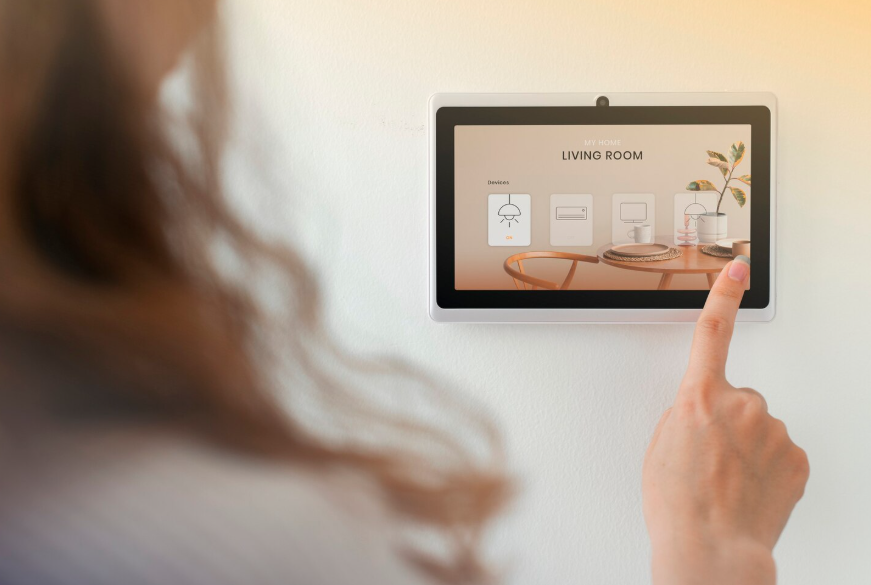
Smart home technology has introduced new ways for homeowners to monitor and manage energy use. Devices such as programmable thermostats and energy-monitoring systems allow homeowners to optimize energy use throughout the house.
Smart thermostats, for example, can automatically adjust heating and cooling schedules based on occupancy patterns. This reduces wasted energy while maintaining comfortable indoor temperatures.
Although these technologies alone may not significantly increase property value, they contribute to the perception of a modern, efficient home.
Solar Panels and Renewable Energy
Renewable energy systems, particularly solar panels, have become increasingly common in residential properties. These systems generate electricity directly from sunlight, potentially reducing or eliminating some utility costs.
Homes equipped with solar panels may appeal to buyers who prioritize sustainability or long-term energy savings. In some markets, solar installations can increase property value, especially when systems are owned rather than leased.
However, the financial impact depends on factors such as installation quality, local electricity rates, and available tax incentives.
Learn How Economic Conditions Influence Housing Markets for a broader pricing context.
Long-Term Value of Efficiency Improvements
Energy efficiency upgrades often provide benefits beyond immediate resale value. Homes that operate efficiently tend to be more comfortable, environmentally friendly, and cost-effective to maintain.
For homeowners planning to stay in their properties for several years, these improvements can produce ongoing savings while enhancing overall livability.
As buyers increasingly prioritize energy efficiency, homes with modern systems and thoughtful upgrades may continue to gain an advantage in the real estate market.