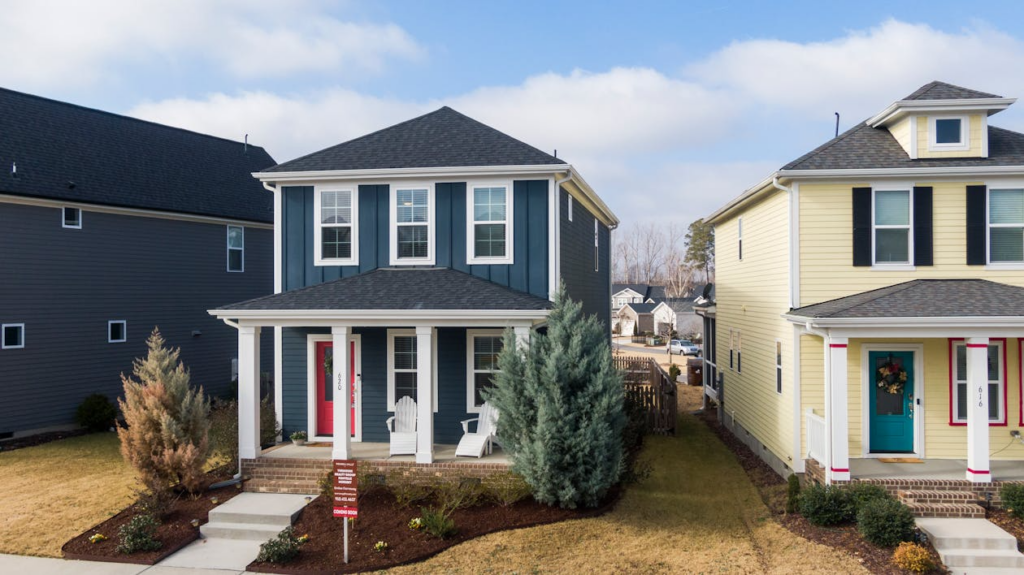

The way a bedroom is added and how it fits into the overall layout of the house can determine whether the improvement creates meaningful equity or simply rearranges existing space.
Adding a bedroom is one of the most common home improvement ideas homeowners consider when trying to increase property value. At first glance, the logic seems straightforward: more bedrooms mean a larger and more functional home, which should attract more buyers.
In many cases, this assumption is correct, but the real estate market evaluates bedroom additions based on several specific factors that determine whether adding a bedroom increases value in your situation.
Buyers, appraisers, and automated valuation models all pay close attention to bedroom count when comparing properties
Why Bedroom Count Matters to Buyers
Bedroom count plays a major role in how homes are categorized in real estate listings. Many buyers begin their home search by filtering properties based on the number of bedrooms they need. For example, a buyer looking for a three-bedroom home may never even see a two-bedroom property in their search results.
Because of this, adding a bedroom can shift a home into an entirely different demand category. A two-bedroom home converted into a three-bedroom property may suddenly become attractive to families who previously overlooked it. This expanded buyer pool often increases the home’s potential resale value.
Bedrooms also affect how buyers mentally evaluate livability. More bedrooms suggest flexibility for children, guests, home offices, or rental opportunities. Even if buyers do not immediately need the extra room, they often see additional bedrooms as future convenience.
However, simply adding walls does not guarantee higher value. Buyers still expect the home to feel balanced and functional.
Explore Why Housing Supply and Demand Affect Home Values for more on buyer demand.
How Appraisers Evaluate Bedroom Additions
Professional appraisers compare homes to recent sales of similar properties, known as comparable sales or “comps.” If most homes in a neighborhood have three bedrooms and a property only has two, the home may sell for less because it competes in a different category.
When a legitimate bedroom is added, the property may now qualify for comparisons with higher-priced homes. This shift can raise the appraised value, particularly in markets where bedroom count strongly influences pricing.
Appraisers also verify that a bedroom meets legal and functional requirements. In most areas, a bedroom must include features such as proper square footage, a window for emergency escape, adequate ceiling height, and a closet. If a room lacks these elements, it may not be considered a bedroom for valuation purposes.
Because of this, converting an existing space, such as a den or office, into a bedroom only increases value if it meets these accepted standards.
See What ‘Comparable Sales’ Really Mean in Real Estate for comp-based pricing context.
Conversions vs. True Additions
Not all bedroom additions affect home value the same way. There are two common ways homeowners add bedrooms: converting existing space or building new square footage.
Conversions typically involve turning spaces such as dens, dining rooms, or bonus rooms into bedrooms. While this may increase the official bedroom count, it can also remove valuable living areas. If a home loses a dining room or family room in the process, buyers may see the change as a tradeoff rather than a pure upgrade.
True additions, on the other hand, expand the home’s square footage. Building a new bedroom through an extension, finished attic, or finished basement often adds both living space and bedroom count, providing a stronger value boost.
The most valuable additions maintain balance within the home’s layout rather than making the house feel cramped or awkward.
Learn How Property Size, Lot Shape, and Layout Influence Value for layout-related value factors.
When Adding a Bedroom Adds the Most Value
Bedroom additions tend to produce the greatest value increase when they correct an imbalance in the home’s layout. For example, adding a third bedroom to a two-bedroom home in a neighborhood dominated by three-bedroom houses can significantly improve market competitiveness.
Similarly, homes with only one bedroom may struggle to attract buyers. Expanding to two bedrooms dramatically broadens the pool of potential buyers and can lead to noticeable price increases.
Location also plays an important role. In family-oriented suburbs where buyers prioritize space for children, additional bedrooms often carry substantial value. In contrast, smaller urban properties may place greater emphasis on living space rather than bedroom count.
Market conditions, neighborhood expectations, and the home’s overall size all influence how much value the new bedroom actually adds.
Read Curb Appeal Changes That Can Raise Home Value for extra selling appeal.
Planning Bedroom Additions Strategically
Homeowners considering a bedroom addition should evaluate their neighborhood before beginning construction. Looking at recent home sales can reveal whether properties with more bedrooms consistently sell for higher prices.
It is also important to maintain proportional design. Adding a small bedroom to a large home may not significantly affect value, whereas adding a bedroom that disrupts the layout can reduce buyer appeal.
Working with local real estate professionals, contractors, or appraisers before making structural changes can help homeowners understand whether the project aligns with market expectations. Strategic improvements that align with neighborhood norms tend to yield the strongest returns.
When thoughtfully planned, adding a bedroom can increase a home’s value by expanding its appeal to more buyers. But, as with most home improvements, the true financial benefit depends on how well the addition fits the property, the market, and the expectations of future buyers.