Understanding how finished basements are evaluated can help homeowners decide whether this type of renovation makes sense for their property.
Finishing a basement is one of the most common home improvement projects homeowners undertake to increase living space. An unfinished basement represents potential square footage that could be transformed into a recreation room, home office, guest suite, or entertainment area. Because of this flexibility, many homeowners wonder whether converting a basement into a finished living space will increase their home’s value.
The answer is usually yes, but the impact varies depending on how the basement is finished, buyers’ expectations in the area, and how the additional space compares to other homes in the neighborhood.
How Finished Basements Add Usable Space
One of the primary ways a finished basement can increase home value is by expanding usable living space. Buyers often appreciate additional rooms that provide flexibility for entertainment, work, or relaxation.
A finished basement can function as a family room, media room, home gym, or hobby area. Some homeowners also convert basement space into guest bedrooms or home offices, which have become increasingly desirable in recent years.
While basement square footage may not always be counted the same way as above-grade living space, it still influences how buyers evaluate the home’s functionality and overall appeal.
Explore How Square Footage Impacts Property Value for more on added usable space.
How Appraisers Evaluate Basement Space
Appraisers generally distinguish between above-grade living space and below-grade areas such as basements. Even when a basement is fully finished, it may not carry the same value per square foot as the home’s main floors.
Instead, appraisers compare homes with similar finished basement areas when determining value. If comparable properties in the neighborhood include finished basements, the feature becomes more valuable because buyers expect it.
In neighborhoods where most homes have unfinished basements, finishing one can help a property stand out. However, the added value may still be less than the cost of the renovation itself.
See How Renovations Affect Appraised Value for more on valuation impact.
Features That Increase Basement Value
The quality and design of the finished basement significantly influence how much value it adds. Basements that feel bright, comfortable, and well integrated with the rest of the home tend to be more appealing to buyers.
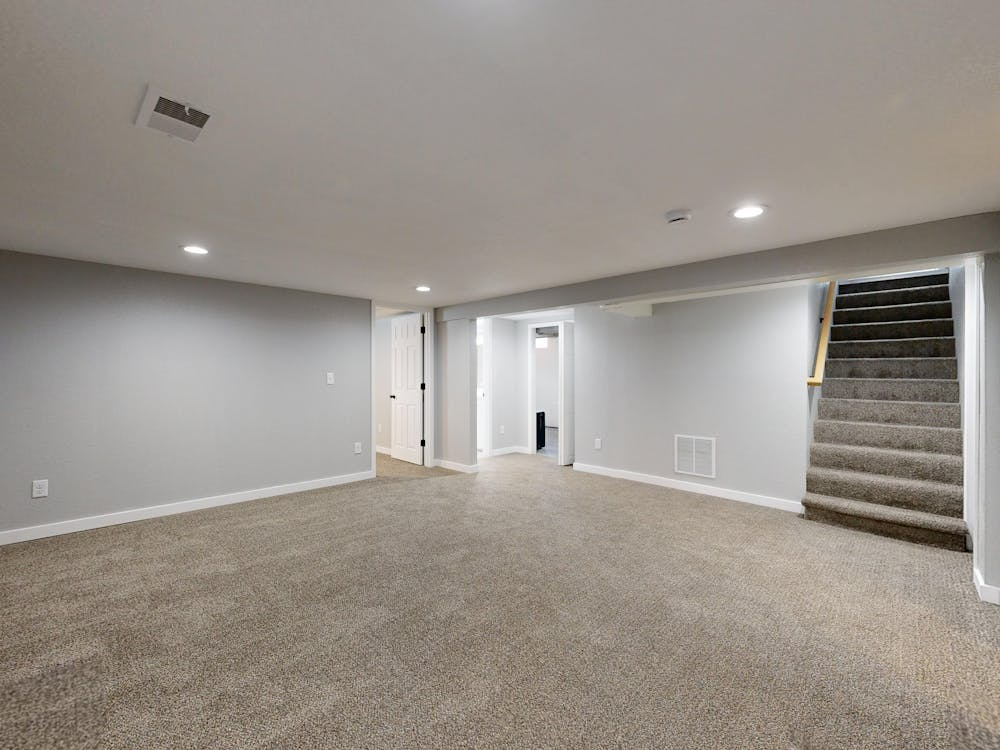
Features such as proper lighting, finished ceilings, attractive flooring, and well-designed walls can transform a basement from a storage area into an inviting living space. Adequate ceiling height also plays a major role in making the space feel comfortable.
Adding bathrooms, small kitchens, or separate entrances can further increase functionality. In some cases, these features allow the basement to function as a guest suite or independent living area.
Check Bathroom Renovations That Add Real Equity for upgrade ideas that support value.
When Finishing a Basement Adds Less Value
Although finishing a basement can increase its appeal, certain conditions may limit the value the project adds. Low ceilings, limited natural light, or awkward layouts can make basement spaces feel less inviting to buyers.
Moisture issues are another important consideration. Basements that show signs of water intrusion or poor ventilation may raise concerns for buyers and appraisers alike. Proper waterproofing and insulation are essential before finishing the space.
In some markets, buyers place greater emphasis on above-grade living space. In those cases, basement improvements may contribute less to overall property value.
Neighborhood Expectations Matter
As with most renovations, neighborhood standards play an important role in determining how much value a finished basement adds. In communities where many homes already have finished basements, buyers may expect this feature as a competitive advantage.
In these markets, leaving a basement unfinished could make a home less attractive compared with nearby listings. Finishing the space may help bring the property in line with neighborhood expectations.
However, if most homes in the area lack finished basements, the return on investment may be more modest.
Read How Neighborhood Quality Impacts Home Value for broader location and demand factors.
Balancing Cost and Value
Finishing a basement can be a worthwhile project when it creates a comfortable, usable space that aligns with buyer expectations. While it may not add value equal to the full cost of renovation, it can improve how buyers perceive the property.
For homeowners who plan to stay in their homes for several years, the added living space may provide both personal enjoyment and long-term resale benefits.
By carefully designing the space, addressing moisture concerns, and aligning the project with neighborhood standards, homeowners can increase the likelihood that a finished basement will enhance their property’s overall value.