Understanding these differences can help homeowners better interpret local sales and online home value estimates.
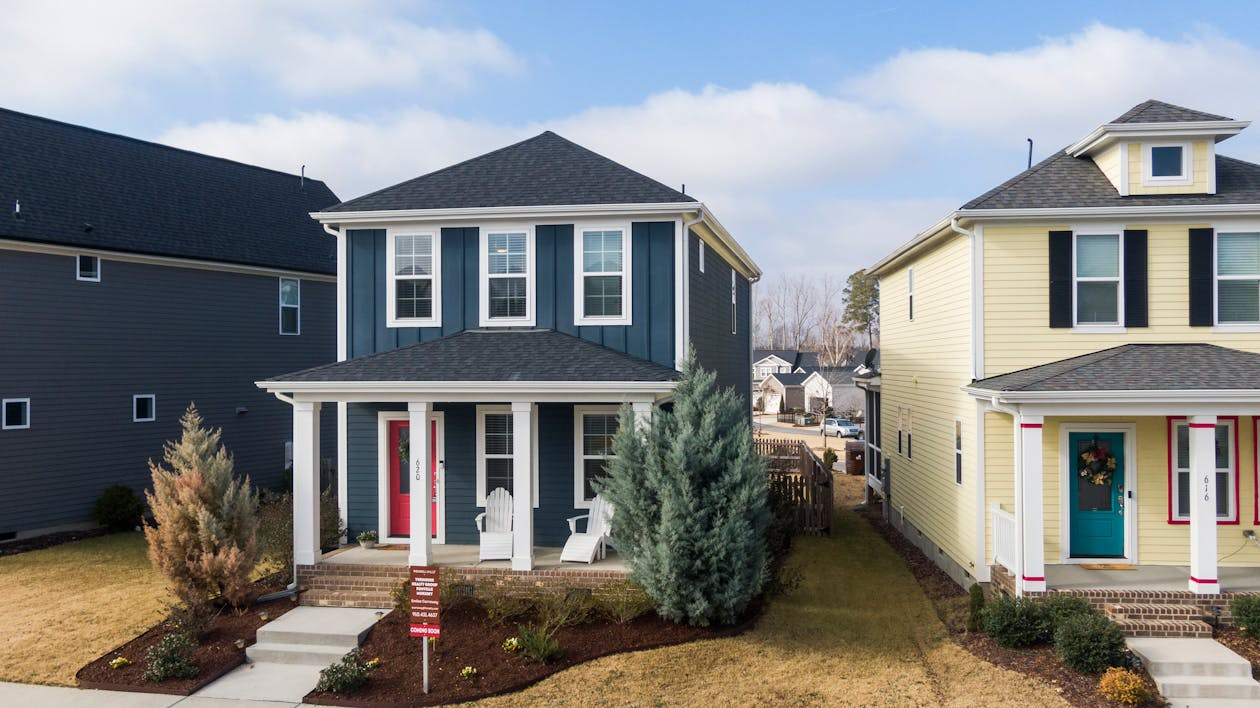
It’s common for homeowners to assume that properties on the same street should be worth roughly the same amount. After all, the homes share the same neighborhood, similar surroundings, and often the same construction period. Yet in many real estate markets, two houses just a few doors apart can sell for dramatically different prices.
The reason comes down to the many factors that influence how a home is evaluated. Layout, upgrades, lot size, condition, and even the timing of a sale can shift property value in ways that are not always obvious from the outside.
Differences in Layout and Usable Space
Two homes may appear similar from the outside, yet offer very different layouts inside. The way space is arranged can significantly influence how buyers perceive value.
For example, a home with an open floor plan often feels larger and more functional than a house with many small, closed-off rooms, even if both properties have the same square footage. Modern buyers often prioritize flexible living spaces that allow easy movement between kitchens, dining areas, and living rooms.
Bedroom placement also matters. A house with a primary bedroom separated from other bedrooms may be more appealing to families seeking privacy. Meanwhile, a home with awkward room placement or narrow hallways can feel less desirable despite having a similar overall size.
Explore Understanding Price Per Square Foot to compare layout and space efficiency.
Renovations and Interior Updates
One of the most common reasons neighboring homes sell for different prices is the level of renovation and maintenance inside the property.
A house that has been updated with modern kitchens, renovated bathrooms, and newer flooring will usually command a higher price than a nearby property with outdated finishes. Buyers tend to value homes that require little immediate work.
Major improvements such as new roofs, upgraded HVAC systems, or energy-efficient windows can also increase a home’s value. These upgrades reduce future maintenance costs for buyers and make a property more attractive compared to similar homes that still require repairs.
See Renovations That Typically Increase Home Value the Most for insight into value-adding upgrades.
Lot Size and Property Features
Even when homes share the same street address style or architectural design, the size and shape of the lot can vary widely. A property with a larger yard or more usable outdoor space may command a higher value.
Corner lots, cul-de-sac locations, and homes backing up to green space can also affect prices. These locations often provide added privacy or improved views that buyers find appealing.
Features such as pools, patios, decks, or landscaping improvements can further differentiate homes. While these elements may not dramatically change square footage, they often influence buyers’ perceptions and, in turn, market value.
Condition and Maintenance History
The overall condition of a home plays a major role in determining value. Two houses built at the same time may age very differently depending on how well they were maintained.
A property with visible wear, deferred maintenance, or structural issues will likely sell for less than a well-maintained home nearby. Buyers typically factor the cost of future repairs into their offers.
Even smaller details can influence perception. Fresh paint, well-kept landscaping, and clean interiors can make a home feel move-in ready, while neglected appearances may lead buyers to assume there are deeper problems.
Learn How Home Condition Influences Property Estimates to see how upkeep affects pricing.
Timing of the Sale
Real estate markets are constantly changing, which means the timing of a sale can affect the price a home receives. A house sold during a strong seller’s market may receive multiple offers and sell above the asking price.
Meanwhile, a similar home sold months later during slower market conditions might attract fewer buyers and sell for less. Changes in mortgage interest rates, economic conditions, and local inventory levels can all influence buyer demand.
Because of this, two nearly identical homes on the same street may end up with very different final prices simply because they sold at different moments in the market cycle.
Check Why Timing Matters When Estimating Home Value for insights on market timing impact.
The Big Picture Behind Property Values
While location is a powerful factor in real estate, it does not guarantee that nearby homes will share the same value. Each property has its own combination of layout, upgrades, condition, and timing that shapes how buyers evaluate it.
When appraisers and real estate professionals estimate property value, they consider all of these variables together rather than relying on simple proximity. This is why two homes on the same street can have very different prices, even though they are in the same neighborhood.
For homeowners, understanding these differences can provide helpful context when reviewing comparable sales or interpreting online home value estimates.