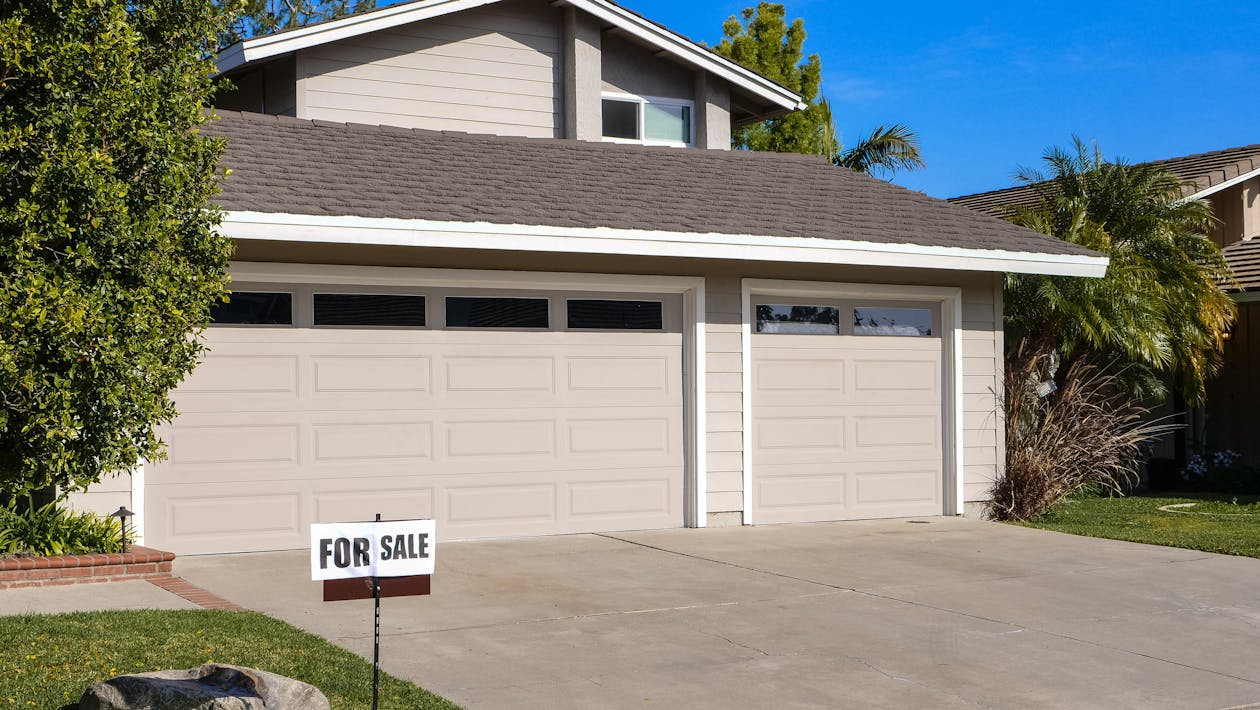
Buyers frequently place a premium on homes with functional garage space, particularly in areas where parking is limited or seasonal weather conditions make covered parking desirable.
Garage space is often one of the most overlooked features when homeowners think about property value. Understanding how garage space affects home value helps explain why parking and storage can play a surprisingly large role in buyer decisions. Kitchens, bathrooms, and square footage tend to get the most attention, yet garages often influence both buyer interest and final sale price.
Garages provide more than just a place to park vehicles. They offer security, protection from the weather, and valuable storage space that helps keep the rest of the home organized.
Why Buyers Value Garage Space
For many buyers, a garage represents convenience and protection. Vehicles parked in a garage are shielded from weather damage, which can be particularly valuable in regions with heavy snow, extreme heat, or frequent storms. Even in milder climates, buyers appreciate the ability to keep cars protected from sun exposure and debris.
Beyond vehicle storage, garages often serve as flexible utility spaces. Homeowners commonly use them for tools, sports equipment, bicycles, seasonal decorations, and household storage. In some cases, garages are even converted into workshops, hobby spaces, or small home gyms.
Because garages offer this extra functionality, homes with them often feel more practical and organized to buyers. A property that immediately addresses storage and parking needs becomes more attractive than one that requires buyers to find alternative solutions.
Explore How Property Size, Lot Shape, and Layout Influence Value for broader property feature insights.
One-Car vs. Two-Car Garages
The number of garage spaces can also influence property value. In many suburban neighborhoods, a two-car garage has become the expected standard. Homes with only a single-car garage may be viewed as less convenient, particularly for households with multiple drivers.
A two-car garage allows families to park both vehicles inside while still leaving space for storage along the walls. This balance between parking and storage contributes to a perception of livability and organization that buyers value.
In larger homes, three-car garages have become increasingly common. While the third space may not always be necessary for vehicles, it often provides additional room for tools, recreational equipment, or specialty vehicles such as boats or motorcycles. In higher-end markets, this added flexibility can increase both buyer interest and overall home value.
See Understanding Price Per Square Foot for insight into how space impacts pricing.
The Impact of Garage Type
Not all garages contribute equally to a home’s value. The type of garage, whether it is attached, detached, or converted, can affect how buyers perceive the property.
Attached garages are generally the most desirable because they provide direct access to the home. This is especially appealing during bad weather or when carrying groceries and other items. Homes with attached garages often feel more convenient and integrated.
Detached garages can still provide strong value, particularly if they are large or offer workshop potential. However, buyers may view them as slightly less convenient than attached garages.
Converted garages present a more complicated situation. While converting a garage into additional living space may increase square footage, it can also eliminate valuable parking and storage space. In neighborhoods where garage parking is expected, removing it can sometimes reduce a home’s appeal.
Check The Value Impact of Adding a Home Office for comparison with other space upgrades.
Garages in Different Housing Markets
The importance of garage space varies depending on location. In dense urban areas where street parking is limited, a private garage can dramatically increase property value. Buyers may prioritize secure parking above other home features.
In suburban areas, garages are often considered standard. Homes without them may struggle to compete with nearby properties that offer convenient parking and storage.
In rural markets, garages may function more as workshops or equipment storage areas. Larger detached garages or multi-bay structures can add significant value if they support practical uses for tools, machinery, or recreational vehicles.
Understanding local expectations is key to evaluating how much value a garage contributes in any particular housing market.
Read Why Location Is Still the Most Important Real Estate Factor for broader context on value drivers.
When Garage Space Adds the Most Value
Garage space tends to add the most value when it aligns with buyer expectations for the neighborhood. If most homes in the area have two-car garages, properties that offer similar or better parking solutions remain competitive.
Additional value may also come from garages that include extra features such as built-in storage, durable flooring, or organized workspaces. These details can enhance the functionality of the space without requiring major renovations.
However, homeowners considering garage expansions or conversions should carefully study their local market. Removing garage space or significantly altering its purpose can sometimes have unintended consequences when it comes time to sell.
Ultimately, garages represent a practical feature that buyers consistently appreciate. While they may not always be the headline attraction of a property, the convenience, protection, and storage they provide often make them an important contributor to a home’s overall value.