Understanding how home condition affects property value can help homeowners protect and potentially improve their home’s value.
When estimating the value of a home, condition plays a critical role. Two houses with the same square footage, similar layouts, and identical locations can still have very different price estimates if their conditions vary. Buyers, appraisers, and automated valuation systems all consider how well a property has been maintained when determining its market value.
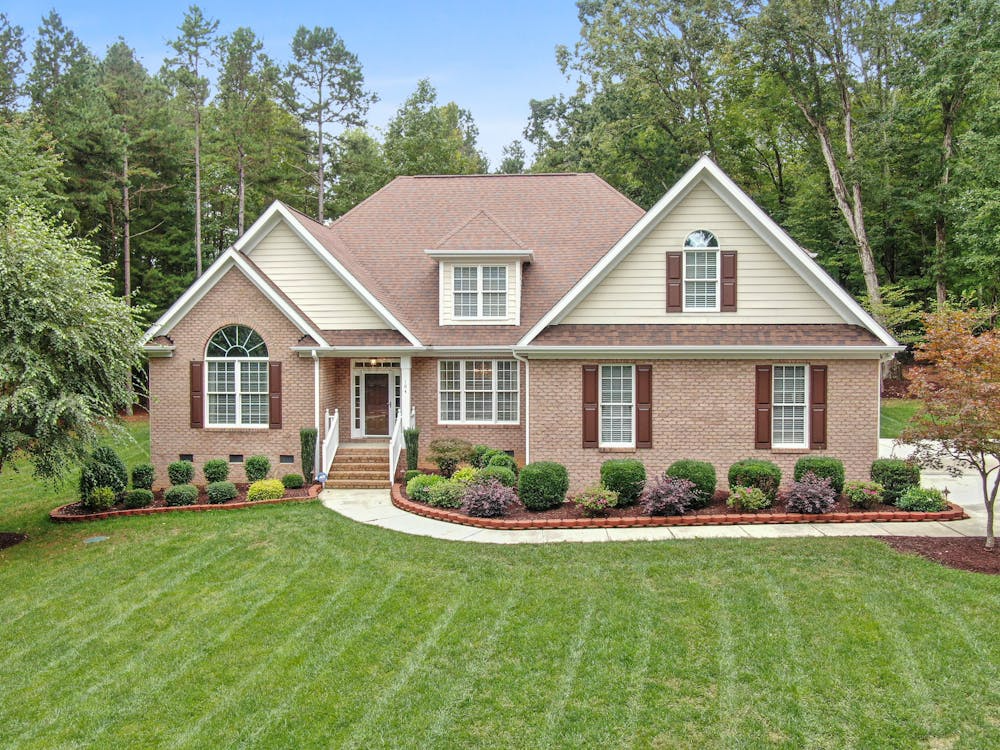
Condition reflects both the home’s visible appearance and the reliability of its major systems. Homes that appear well-maintained often command higher prices because buyers expect fewer immediate repairs. In contrast, properties that show signs of neglect or structural issues may receive lower estimates because buyers factor in repair costs when determining what they are willing to pay.
The Impact of Maintenance on Value
Routine maintenance is one of the simplest ways homeowners protect property value. Regular upkeep ensures that essential components such as roofing, plumbing, heating systems, and exterior materials remain functional and visually appealing.
When these systems are well-maintained, buyers feel more confident that the home will not require major repairs immediately after purchase. This confidence often translates into stronger offers and higher estimated values.
Neglected maintenance, however, can quickly reduce a home’s perceived worth. Peeling paint, damaged siding, worn flooring, or outdated fixtures may signal deeper issues to potential buyers, even if the underlying structure is still sound.
Read How Maintenance Can Protect Property Value for more on long-term upkeep.
Structural Condition and Major Systems
Beyond cosmetic appearance, appraisers pay close attention to the home’s structural elements and mechanical systems. The condition of the roof, foundation, electrical system, plumbing, and HVAC equipment can significantly influence a property’s valuation.
If these systems appear outdated or damaged, the appraiser may adjust the home’s estimated value downward. Buyers often factor in the potential cost of repairs when setting their offer price, and those costs can quickly affect market perception.
Conversely, homes with recently updated systems often receive more favorable valuations. New roofing, modern electrical panels, and efficient heating and cooling systems suggest that the property has been well cared for.
Explore How Energy Efficiency Improvements Affect Property Value for upgrade insights.
Interior Condition and Presentation
Interior appearance also contributes to property estimates because it shapes how buyers perceive the home. Clean, well-maintained interiors create a sense of move-in readiness that appeals to many buyers.
Updated kitchens, modern bathrooms, and well-kept flooring can improve both buyer interest and valuation outcomes. Even relatively simple improvements, such as fresh paint or updated lighting, can make a home feel more current and inviting.
However, neglecting the interior can have the opposite effect. Damaged walls, outdated appliances, and worn finishes may cause buyers to assume additional renovation costs, which can lower their willingness to pay.
See Renovations That Typically Increase Home Value the Most for practical improvement ideas.
Deferred Maintenance and Its Consequences
Deferred maintenance occurs when necessary repairs are postponed over time. While some homeowners delay improvements to reduce short-term expenses, the long-term impact on property value can be significant.
For example, ignoring a small roof leak may eventually lead to water damage inside the home. Minor plumbing issues can evolve into more serious structural concerns if left unresolved. These problems often become visible during appraisals or inspections.
When deferred maintenance accumulates, buyers may perceive the home as a risky investment. This perception can lead to lower offers or difficulty attracting buyers in competitive markets.
How Condition Affects Comparable Sales
Appraisers often categorize homes by overall condition when comparing properties. A well-maintained home may be compared with other properties of similar upkeep, while homes requiring repairs may be compared with other fixer-upper properties.
Because of this process, the condition of a home influences which comparable sales are used during the valuation. If a property falls into a lower condition category, the comps used for pricing may also reflect lower-value properties.
This comparison method ensures that homes are evaluated fairly within the context of their condition relative to other properties in the same market.
Check What Appraisers Look for During a Home Valuation for appraisal context.
Protecting Property Value Through Care
For homeowners, maintaining a property is one of the most reliable ways to preserve long-term value. Regular inspections, timely repairs, and thoughtful upgrades help prevent small problems from becoming larger ones.
Well-maintained homes tend to perform better in appraisals and attract stronger buyer interest when listed for sale. Even modest improvements can enhance the overall impression of a property.
By prioritizing maintenance and addressing issues early, homeowners can help ensure their property retains its value and remains competitive within the local real estate market.