In many cases, neglected maintenance can reduce a home’s market value far more quickly than a renovation can increase it.
Homeowners often focus on renovations when thinking about increasing property value, but regular maintenance plays an equally important role in protecting a home’s worth.Understanding how maintenance protects home value helps explain why consistent upkeep can preserve condition, prevent costly problems, and support long-term property appeal.
Buyers, appraisers, and inspectors all evaluate the condition of a home when determining its value. Even small signs of neglect can raise concerns about larger hidden issues, which may lead to lower offers or costly repair negotiations during a sale. For this reason, routine maintenance is one of the most reliable ways homeowners can protect their long-term property investment.
Why Home Condition Matters in Valuation
The overall condition of a home is one of the key factors considered during a property valuation. Appraisers assess the property’s structural integrity, the age and functionality of major systems, and visible signs of wear or damage.
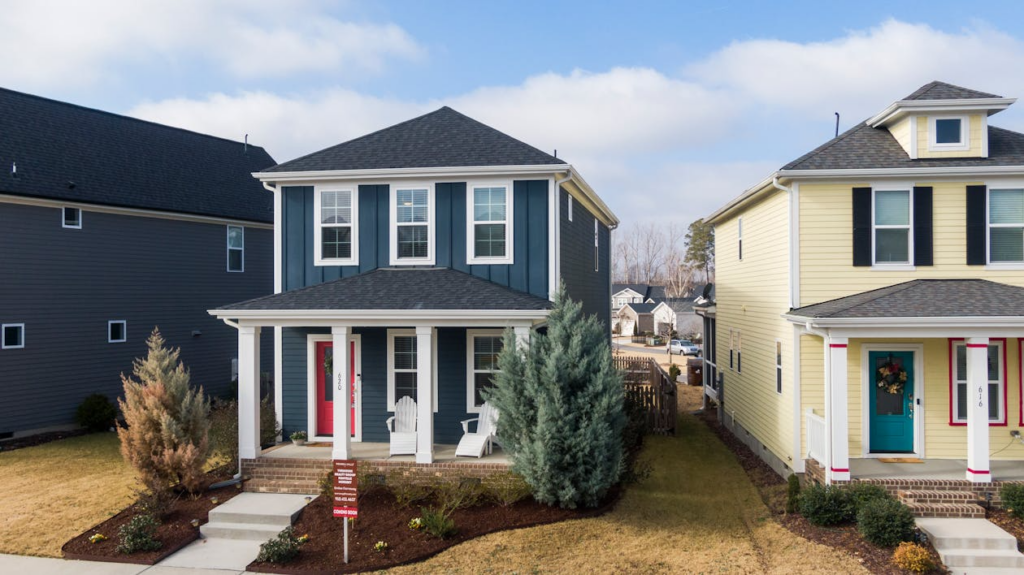
Homes that show consistent care tend to receive stronger valuations because they present lower risk to buyers. A well-maintained property suggests that roofing, plumbing, electrical systems, and other components have likely been addressed over time rather than ignored until failure.
In contrast, visible maintenance issues, such as peeling paint, damaged siding, roof deterioration, or outdated mechanical systems, can signal deferred upkeep. Even if the problems appear minor, they may cause buyers or lenders to assume that additional hidden repairs could be necessary.
Maintaining a property helps prevent these negative perceptions from affecting its estimated value.
Read How Home Condition Influences Property Estimates for condition-based valuation insight.
Preventing Small Problems From Becoming Major Repairs
One of the most important benefits of regular maintenance is preventing minor issues from becoming expensive structural problems. Small repairs completed early are usually far less costly than major repairs that develop when maintenance is delayed.
For example, replacing damaged roof shingles promptly can prevent water intrusion that might otherwise lead to mold, ceiling damage, or structural deterioration. Similarly, maintaining gutters and drainage systems helps protect foundations from water damage and erosion.
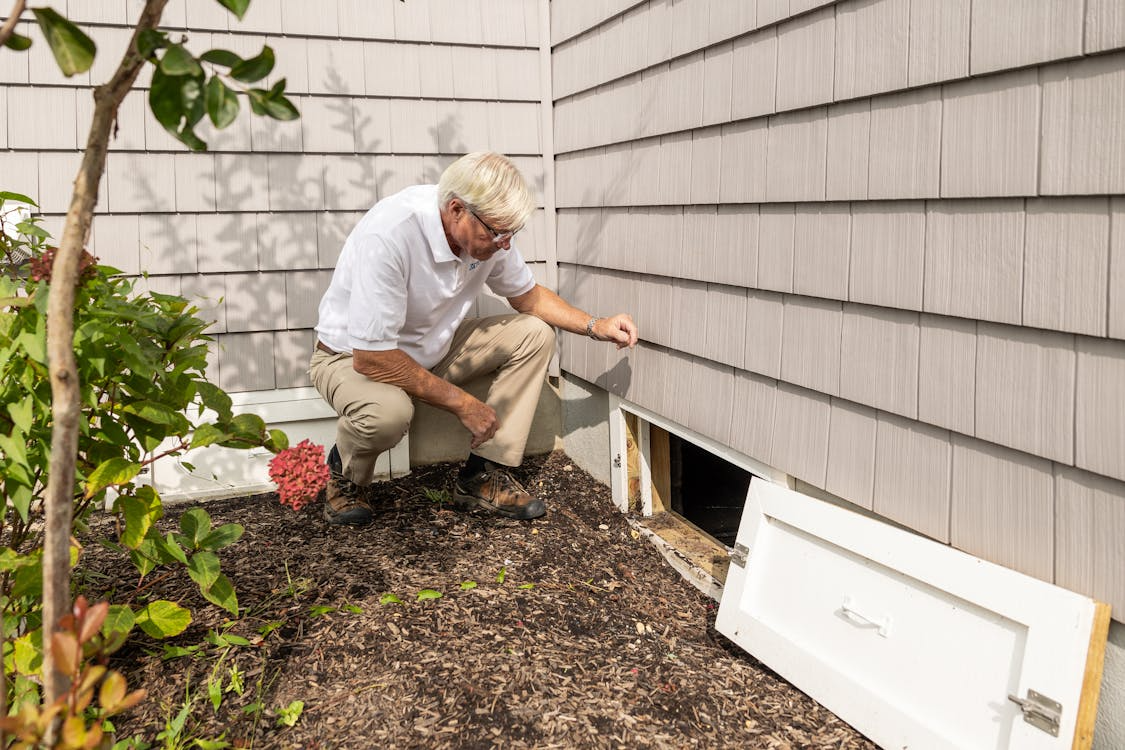
Heating, cooling, and plumbing systems also benefit from routine servicing. Regular inspections can extend the lifespan of these systems while reducing the likelihood of unexpected breakdowns that could impact property value during a sale.
By addressing issues early, homeowners preserve both the physical condition and financial value of their property.
Explore Does Adding a Bedroom Increase Home Value? for how additions compare to maintenance.
Maintenance Signals Buyer Confidence
When buyers tour a home, they are not only evaluating the layout and features—they are also looking for signs of responsible ownership. Clean mechanical systems, freshly serviced equipment, and well-maintained exteriors can signal that the home has been cared for over time.
This perception matters because buyers often associate good maintenance with reduced future expenses. A home that appears move-in ready gives buyers confidence that they will not immediately face costly repairs after purchasing the property.
In contrast, homes with visible maintenance concerns can trigger hesitation. Buyers may lower their offers to account for anticipated repairs, or they may choose to pursue properties that appear easier to manage.
Maintaining a home helps create a sense of reliability that encourages stronger buyer interest.
See What Appraisers Look for During a Home Valuation for buyer evaluation factors.
Key Areas That Protect Property Value
Several maintenance areas have an especially strong influence on preserving home value. Roofing is one of the most important, as roof damage can lead to widespread structural issues if left unaddressed.
Exterior maintenance also plays a major role. Siding, paint, landscaping, and driveway conditions all contribute to curb appeal, which influences first impressions and perceived property quality.
Mechanical systems, including HVAC equipment, electrical systems, and plumbing, should also be inspected and serviced regularly. These systems are expensive to replace, and buyers often evaluate their condition carefully when comparing properties.
Even routine tasks such as cleaning gutters, sealing windows, and maintaining drainage systems can protect the home from long-term damage.
Learn How Renovations Affect Appraised Value for an upgrade versus maintenance context.
Maintenance as a Long-Term Investment Strategy
Regular maintenance may not feel as exciting as a renovation project, but it is one of the most effective strategies for protecting property value over time. By consistently maintaining the home’s systems and structure, homeowners reduce the risk of deterioration that could negatively affect future resale value.
Maintenance also supports accurate home value estimates. Automated valuation models and appraisals rely on comparisons with similar properties, but condition adjustments can significantly influence the final estimate. Homes in excellent condition often command stronger prices than comparable properties with visible maintenance concerns.
For homeowners who want to preserve equity and maximize long-term value, maintenance should be viewed as a core part of property ownership rather than an occasional obligation. Small, consistent efforts can prevent costly problems and help the home remain competitive in the real estate market.