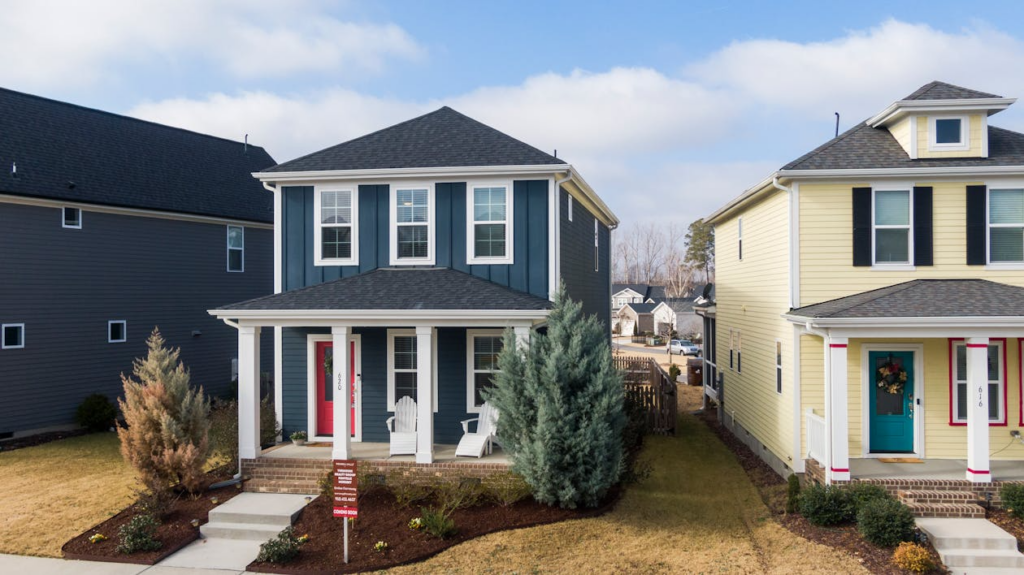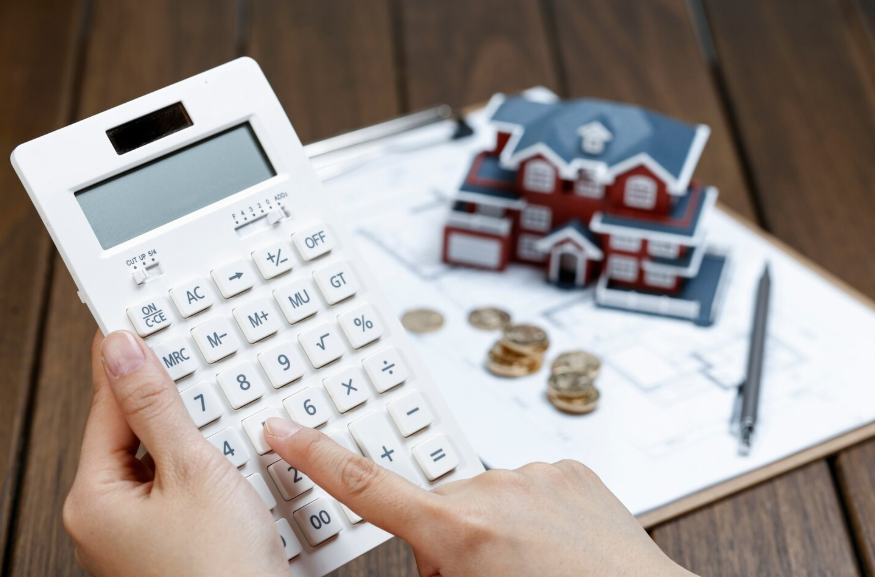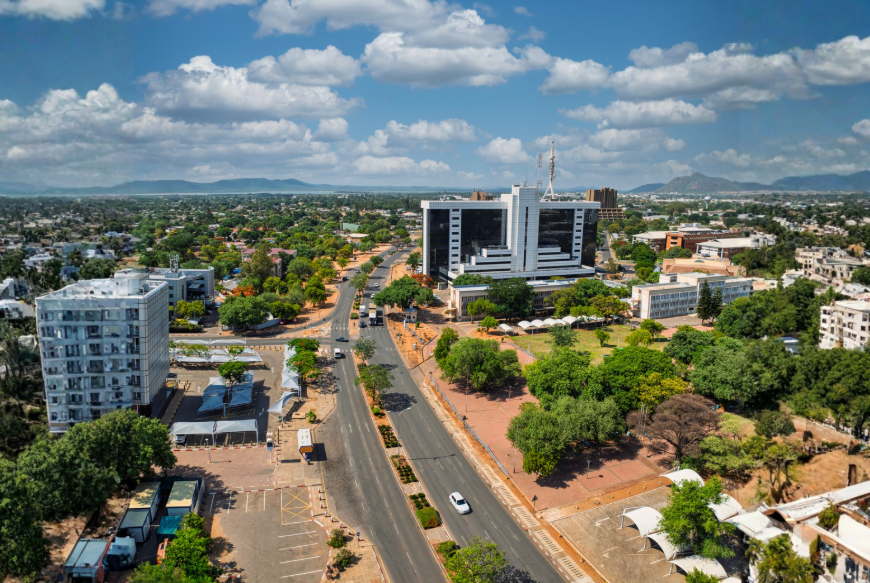
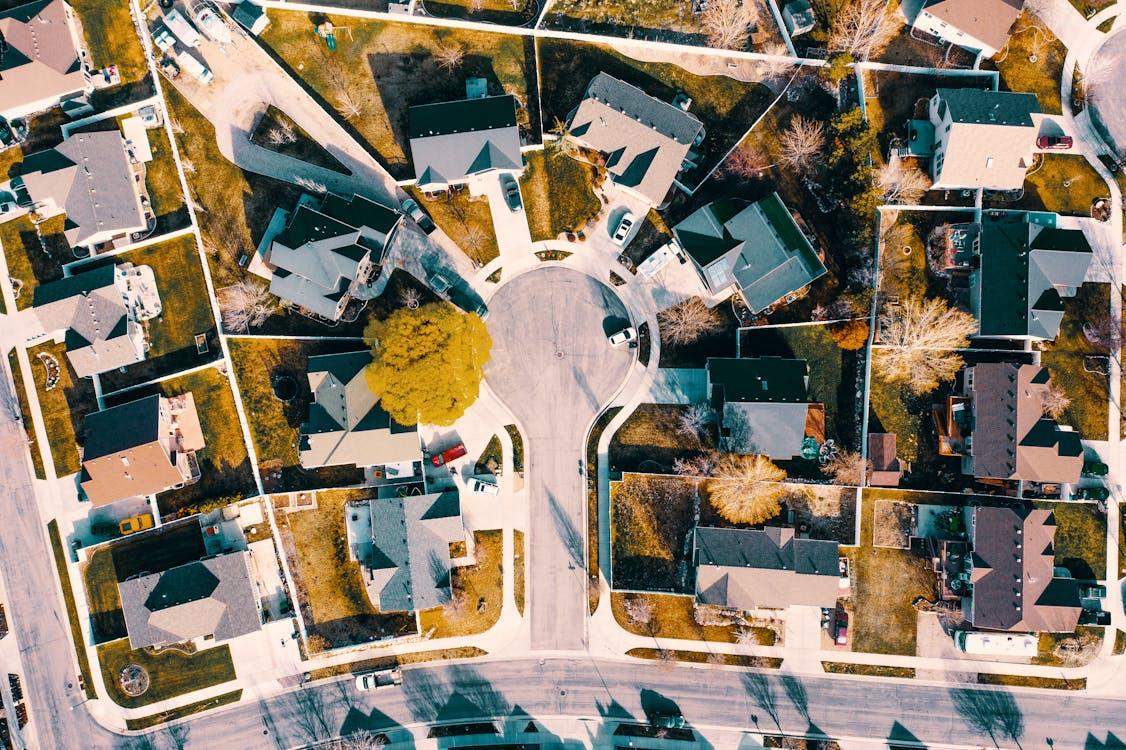
Understanding how neighborhood quality affects home value helps homeowners and buyers better interpret property estimates and long-term investment potential.
When people talk about real estate value, they often focus on the house itself: its size, condition, and upgrades. Yet one of the most powerful influences on property value lies outside the home’s walls. The quality of the surrounding neighborhood plays a major role in determining a property’s value and how quickly it may sell.
Buyers are not just purchasing a structure; they are investing in a location and the lifestyle that comes with it. Factors such as safety, schools, amenities, and overall community reputation all influence how desirable a neighborhood feels. As a result, two homes with nearly identical features can have very different values simply because they are located in different areas.
Safety and Community Stability
One of the most important components of neighborhood quality is safety. Buyers consistently prioritize areas where they feel comfortable living, walking, and raising families. Communities with lower crime rates and a strong sense of stability tend to attract more buyer interest.
Neighborhoods that maintain consistent homeownership and long-term residents often appear more stable and well cared for. This stability can create a positive cycle in which homeowners invest more in maintaining their properties, which further strengthens neighborhood appeal.
In contrast, areas experiencing higher crime rates or visible signs of neglect may struggle to maintain strong property values. Even well-maintained homes in these neighborhoods can experience reduced buyer demand due to surrounding conditions.
Because safety plays such a strong role in buyer perception, it is often one of the most influential neighborhood factors affecting property value.
Explore Why Location Is Still the Most Important Real Estate Factor for location insight.
School District Reputation
School quality is another powerful driver of home value, even for buyers without children. Homes located within highly rated school districts often command higher prices because families actively compete to live within those boundaries.
School districts influence housing demand by limiting supply. Families seeking access to specific schools may focus their searches on certain neighborhoods, thereby increasing competition for available homes.
Even buyers without school-age children recognize that a school district’s reputation can affect resale potential. A property in a desirable district is more likely to attract strong demand when it returns to the market.
For this reason, homes within top-performing school zones frequently sell at a premium compared to similar properties located just outside those boundaries.
See The Role of School Districts in Home Value for pricing context.
Amenities and Lifestyle Appeal
Neighborhood amenities also contribute significantly to property values. Access to parks, walking trails, restaurants, shopping centers, and entertainment districts can enhance residents’ daily lives and increase an area’s desirability.
Walkable neighborhoods with convenient access to services often attract buyers who value convenience and community interaction. The ability to reach coffee shops, grocery stores, or public transit without driving can make a neighborhood feel more vibrant and connected.
Recreational opportunities also play a role. Areas with well-maintained parks, sports facilities, or waterfront access often command higher prices because they support active lifestyles and provide shared spaces for community activities.
These amenities improve the overall living experience and can raise property values by increasing buyer demand.
Learn How Nearby Amenities Influence Property Value for more on buyer appeal.
Neighborhood Appearance and Maintenance
The physical appearance of a neighborhood strongly influences how buyers perceive its quality. Well-maintained homes, clean streets, and attractive landscaping create positive first impressions that signal pride of ownership.
When neighboring properties are consistently maintained, it reinforces the perception that the area is stable and desirable. Buyers often feel more confident purchasing in communities where homeowners actively care for their properties.
Conversely, visible neglect, such as poorly maintained homes, abandoned properties, or excessive clutter, can negatively affect neighborhood appeal. Even if a specific home is well-maintained, surrounding conditions can influence how buyers evaluate its value.
Because property values are closely tied to nearby homes, the collective appearance of a neighborhood plays an important role in shaping market perception.
Read How Local Development Can Change Property Values for neighborhood change trends.
Long-Term Neighborhood Trends
Neighborhood quality is not static. Communities evolve as new businesses open, infrastructure improves, and local development projects reshape the area. These changes can either strengthen or weaken property values depending on how they affect desirability.
Neighborhood revitalization, for example, can significantly increase home values as improved amenities and new investments attract buyers. On the other hand, economic decline or reduced investment in local infrastructure can gradually lower demand.
Homebuyers and homeowners alike often watch neighborhood trends closely because these patterns influence long-term appreciation potential.
Ultimately, the value of a home is deeply connected to its surroundings. A strong neighborhood with desirable schools, amenities, safety, and community pride can elevate property values even when homes themselves are modest. For this reason, real estate professionals often emphasize that location and neighborhood quality remain among the most important drivers of property value.