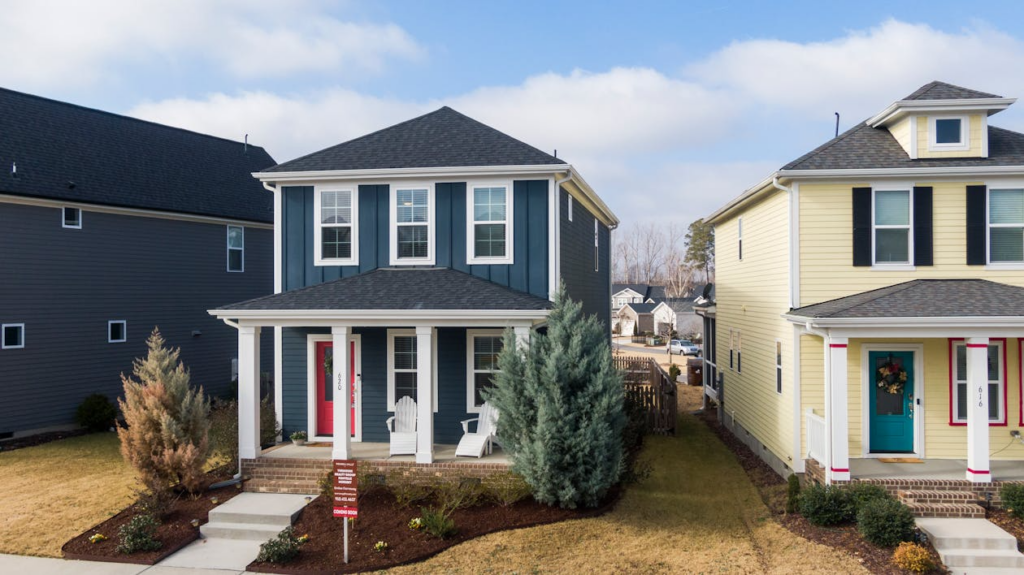

Understanding how online home value estimators work can help homeowners interpret these estimates more accurately.
Online home value estimators have become one of the most common tools people use to check property prices. With just an address, these platforms can estimate a home’s value in seconds. For homeowners, buyers, and curious observers, these tools offer a quick snapshot of a property’s potential value.
Behind the scenes, however, these estimates rely on complex data models rather than a physical inspection of the property. Most online valuation tools use automated valuation models, or AVMs. These systems analyze large volumes of real estate data to generate estimates based on patterns in the housing market.
The Role of Automated Valuation Models
Automated valuation models are algorithms designed to estimate property values using available market data. Instead of sending an appraiser to inspect a home, AVMs analyze public records, past sales data, and neighborhood trends to determine a likely price range.
These systems process thousands of comparable properties at once, identifying patterns that suggest how similar homes are valued. By comparing a home’s characteristics with those of recently sold properties nearby, the algorithm can estimate a reasonable market value.
AVMs are especially useful for providing quick estimates across large numbers of properties. Real estate websites can generate values for millions of homes because the calculations rely on automated data analysis rather than manual inspection.
Explore How Home Value Is Actually Calculated for a deeper breakdown of pricing factors.
Data Sources Used by Estimator Tools
Online valuation systems depend on several types of data to generate estimates. Public property records provide basic information such as square footage, number of bedrooms, lot size, and year of construction.
Recent sales data is another major input. AVMs examine comparable homes that have sold nearby and use those transactions as reference points for pricing. The more recent and relevant these sales are, the more reliable the estimate tends to be.
Some platforms also incorporate listing data from homes currently on the market. By observing asking prices and how long properties stay listed, the model can refine its understanding of local demand and pricing behavior.
See What ‘Comparable Sales’ Really Mean in Real Estate for insight into sales data.
How Algorithms Compare Similar Homes
One of the key functions of an automated valuation model is identifying comparable properties. The algorithm looks for homes with similar characteristics within the same geographic area.
For example, if a three-bedroom home with 2,000 square feet recently sold nearby, the system may treat that sale as a reference point when estimating the value of another property with similar features. The algorithm then adjusts for differences such as lot size, upgrades, or property age.
This comparison process happens across large datasets. Instead of relying on just a few comparable homes, the algorithm may analyze dozens of nearby properties to determine the most likely price range.
Check The Role of Recent Sales in Determining Home Value for pricing accuracy context.
Why Estimates Can Vary Between Platforms
Homeowners often notice that different real estate websites produce slightly different value estimates for the same property. This happens because each platform uses its own algorithm and data sources.
Some systems place greater emphasis on recent comparable sales, while others rely more heavily on property records or historical market trends. Differences in how frequently the data is updated can also influence results.
For example, if one platform updates its sales database weekly while another updates monthly, their estimates may temporarily diverge. Over time, however, the values often converge as new sales data becomes available.
The Limitations of Online Valuations
While AVMs are powerful tools, they cannot fully replace a professional appraisal. One major limitation is that the algorithm cannot see the property’s current condition.
Renovations, damage, or unique architectural features may not appear in public records. A newly remodeled kitchen or finished basement could significantly increase a home’s value, yet the automated model might not recognize the improvement.
Similarly, unusual properties can confuse automated systems. Homes with rare designs, unique locations, or very limited comparable sales may produce less accurate estimates.
Read How Property Taxes Influence Home Pricing for clearer value distinctions.
How to Use Online Estimates Wisely
Online home value estimators are best viewed as starting points rather than definitive prices. They provide a helpful overview of neighborhood trends and approximate market value.
Homeowners considering selling or refinancing should treat these numbers as rough guidelines. A professional appraisal or consultation with a real estate agent will typically provide a more accurate picture because those experts can evaluate the property’s specific condition and features.
Used correctly, online estimators offer valuable insight into housing markets. They make real estate data more accessible and help homeowners understand how various factors influence property value.