
Understanding how property taxes affect home pricing helps buyers evaluate total ownership costs and helps homeowners understand how taxes influence market demand.
Property taxes are a fundamental part of homeownership, and they play a significant role in shaping real estate markets. These taxes help fund local services such as schools, public safety, infrastructure, and community programs. While buyers often focus on purchase price when evaluating a home, the ongoing cost of property taxes can influence affordability and ultimately affect home pricing.
Because property taxes vary by region and municipality, they can create noticeable differences in housing demand between similar areas. Buyers frequently compare tax rates when deciding where to purchase property, and these comparisons can influence both the attractiveness and long-term value of homes in different neighborhoods.
How Property Taxes Affect Affordability
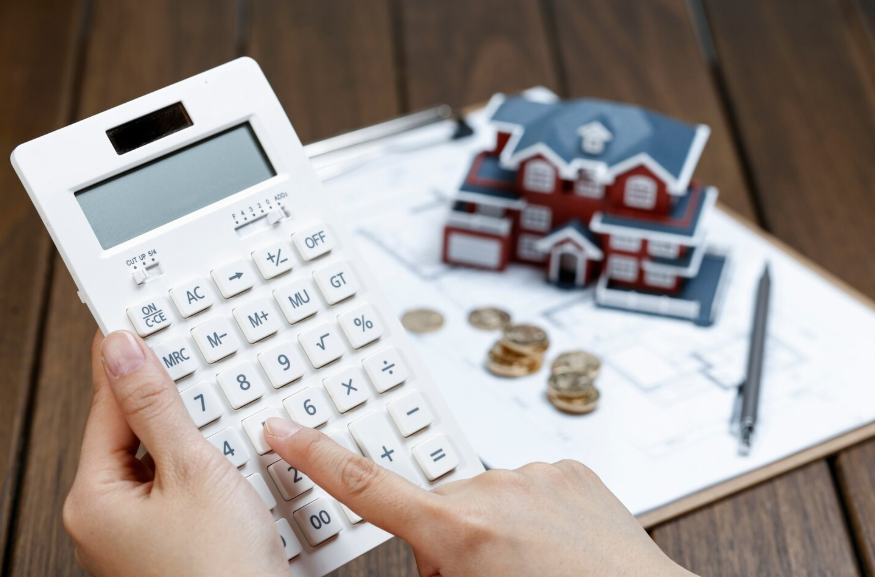
Property taxes contribute to the total monthly cost of owning a home. In addition to mortgage payments, homeowners must pay taxes, typically calculated as a percentage of the home’s assessed value.
When property taxes are high, the monthly cost of homeownership increases. Even if two homes have the same purchase price, the one with higher property taxes may require significantly larger monthly payments.
Because lenders evaluate a buyer’s total housing expenses when approving mortgages, higher tax costs can reduce the amount buyers can borrow. This reduced borrowing capacity can limit the price range buyers can afford, potentially influencing home prices in areas with higher tax rates.
In contrast, regions with lower property taxes may attract more buyers because the ongoing cost of ownership is lower.
Explore Why Housing Supply and Demand Affect Home Values for demand and pricing insight.
Differences Between Assessed Value and Market Value
Property taxes are usually based on the assessed value of a home rather than its current market value. Local governments periodically assess properties to determine their taxable value, which may or may not match current market sale prices.
In some cases, assessed values lag behind rapidly rising home prices. When assessments eventually catch up to market values, homeowners may see tax increases that affect affordability.
Buyers often review property tax records before purchasing a home to estimate future costs. Understanding the difference between assessed value and market value helps buyers anticipate how taxes might change after a purchase.
These tax considerations can influence buyer decisions and, in turn, affect housing demand in different communities.
See The Difference Between Assessed Value and Market Value for value comparison clarity.
How Tax Rates Influence Buyer Demand
Property tax rates vary widely depending on local governments’ policies and budgets. Areas with higher tax rates may use those funds to support well-funded schools, public services, and infrastructure improvements.
While strong public services can increase a community’s attractiveness, buyers still consider whether the tax burden fits within their financial plans. If tax rates become too high relative to nearby communities, some buyers may choose to search for homes in lower-tax areas.
Because of this, housing markets sometimes reflect a balance between tax costs and the services those taxes support. Buyers may be willing to pay higher taxes if they believe the community offers strong schools, safety, and amenities in return.
The relationship between taxes and services, therefore, plays an important role in shaping housing demand.
Learn How Economic Conditions Influence Housing Markets for broader market impact.
Property Taxes and Long-Term Home Value
Property taxes can also influence long-term property values by affecting how desirable an area remains to buyers. Communities with stable tax structures and strong public services often maintain steady housing demand.
In contrast, areas experiencing rapid tax increases may face challenges if rising costs make homeownership less affordable. Buyers evaluating multiple communities may choose locations where tax rates feel more predictable.
For homeowners, rising property values can sometimes lead to higher property tax bills as assessments increase. While this can raise ownership costs, it also reflects the growth of the property’s market value.
Understanding how property taxes evolve helps homeowners plan for the financial responsibilities associated with owning real estate.
Read Why Location Is Still the Most Important Real Estate Factor for long-term value insight.
Why Taxes Are Part of the Real Estate Equation
Property taxes represent an ongoing financial factor that buyers must consider when evaluating a home purchase. Even though they do not change a property’s physical characteristics, they directly affect the cost of owning it.
Because affordability plays such a central role in buyer decisions, tax rates can influence how much buyers are willing to pay for homes in certain areas. Communities that maintain balanced tax structures while providing strong public services often attract stable housing demand.
Ultimately, property taxes are among the many financial factors that shape real estate markets. By influencing affordability, buyer demand, and long-term ownership costs, they contribute to the complex equation that determines home pricing across different regions.