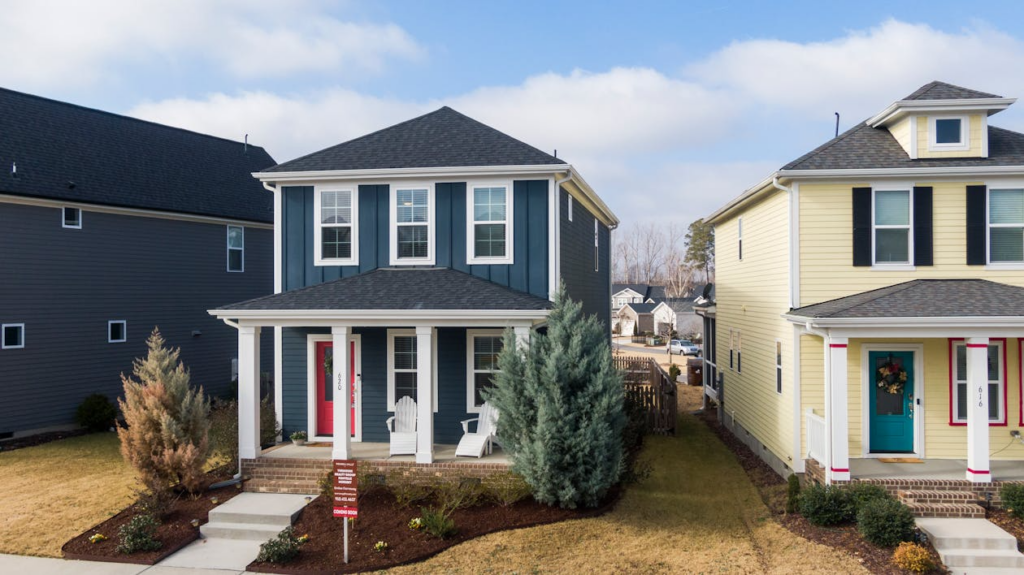

In some cases, properties located only a few blocks apart may sell for significantly different prices simply because they fall within different school zones.
School districts play a powerful role in shaping real estate markets, and understanding how school districts affect home value helps explain why certain neighborhoods consistently attract higher demand.
Even buyers without children frequently pay attention to school districts because they understand how much influence schools have on resale value. A home in a highly rated district tends to remain attractive to future buyers, helping protect long-term property value.
Because school boundaries determine access to specific educational opportunities, they can create strong price differences between homes that are otherwise very similar.
Why Families Prioritize School Districts
Families with school-age children often focus their home search on specific districts known for academic performance, extracurricular opportunities, and strong community support. Access to highly regarded schools can influence where families choose to live, sometimes even more than the features of the home itself.
This demand creates competition for homes within the boundaries of top-performing districts. When many buyers are seeking limited housing in the same area, prices tend to rise as buyers compete for available properties.
Parents may also view homes in strong school districts as long-term investments. Even after their children graduate, they know that future buyers are likely to place the same importance on school quality. This expectation can support stable property values over time.
Because of this consistent demand, homes in highly rated school districts often sell faster and at higher prices than comparable homes in neighboring areas.
Explore How Neighborhood Quality Impacts Home Value for more on community-level differences.
How School Boundaries Affect Pricing
School district boundaries can create noticeable price differences in housing markets. Two homes with similar layouts, square footage, and features may be valued differently depending on which schools serve the property.
Real estate listings often highlight the schools assigned to a home, recognizing that many buyers search for properties based on district lines. A house located within the boundaries of a sought-after district may attract a larger pool of potential buyers.
These boundaries also create supply limitations. Only a certain number of homes fall within each school zone, and when buyer demand exceeds available housing, prices may rise accordingly.
For this reason, homes near the edge of school district lines may experience especially strong demand, as buyers compete for access to preferred schools.
Review How Walkability and Amenities Influence Property Prices for insight into lifestyle-driven demand.
The Influence of School Reputation
School reputation plays a major role in how districts influence home values. Buyers often rely on school ratings, graduation rates, academic programs, and extracurricular opportunities when evaluating districts.
Communities with strong educational reputations tend to attract families seeking long-term stability. These areas may also receive more investment in local services and infrastructure, which can reinforce neighborhood desirability.
School reputation can also affect how buyers perceive the broader community. Well-regarded schools often signal strong civic engagement, stable populations, and supportive local institutions.
Because reputation takes time to build, districts that consistently perform well tend to maintain strong housing demand over many years.
Check Why Some Neighborhoods Appreciate Faster Than Others for deeper insight into growth patterns.
Buyers Without Children Still Care
Although families with children are the most obvious group influenced by school districts, many buyers without children still carefully consider them. The primary reason is resale potential.
When buyers purchase a home, they often think about how easily it will sell in the future. Properties located in strong school districts typically attract a larger buyer pool, which can make them easier to sell when the time comes.
Investors may also pay attention to school districts when purchasing rental properties. Homes near desirable schools may attract tenants seeking access to those educational opportunities for their families.
Because school districts influence both present demand and future resale prospects, they remain relevant to many types of buyers.
Read The Impact of Neighborhood Trends on Property Prices for insights on evolving market demand.
Long-Term Effects on Property Value
School districts contribute to the long-term stability of housing markets. Areas with well-regarded schools tend to maintain consistent demand because new families continue moving into the community each year.
This ongoing demand helps support property values even during slower housing markets. While economic conditions and interest rates may influence short-term pricing, strong school districts often provide a stabilizing effect on local real estate values.
For homeowners, understanding the role of school districts can provide insight into why certain neighborhoods command higher prices. Access to quality education remains one of the most enduring factors influencing housing demand.
Ultimately, the connection between schools and real estate reflects how closely communities and housing markets are linked. Where children learn often shapes where families choose to live, making school districts a powerful driver of property value.