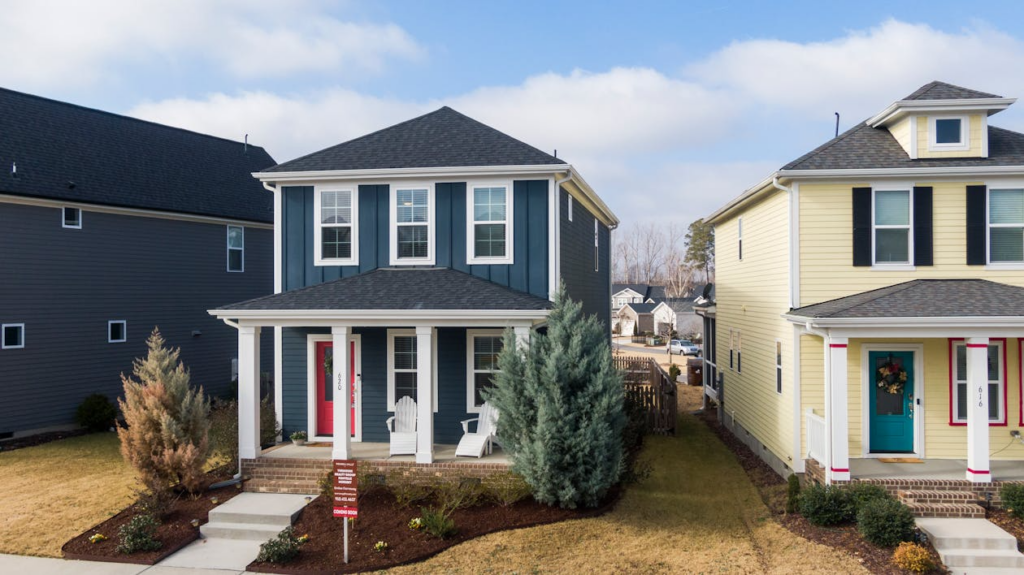
Understanding how square footage affects home value can help homeowners interpret price estimates and make sense of real estate listings.
When people discuss real estate prices, one of the first numbers mentioned is square footage. The size of a home plays a major role in determining its value because it directly reflects the amount of usable living space the property offers. Buyers typically associate larger homes with greater comfort, flexibility, and long-term functionality.
However, square footage is not simply about having more space. Real estate professionals evaluate how that space compares to other homes in the neighborhood and how efficiently it is used within the home’s layout.
Why Larger Homes Often Command Higher Prices
In most housing markets, larger homes tend to sell for higher prices than smaller ones. The reasoning is straightforward: more square footage generally provides more living space, additional rooms, and greater versatility for families.
Buyers often view larger homes as offering better long-term flexibility. Extra bedrooms can accommodate growing families, home offices, or guest spaces. Additional living areas may provide room for entertainment, storage, or hobbies.
Because of this demand, homes with greater square footage typically command higher prices. However, the increase in value does not always rise proportionally with size. Other factors, such as layout and condition, still play an important role.
Explore Understanding Price Per Square Foot for size-based pricing insight.
The Role of Price Per Square Foot
Real estate professionals frequently use a metric called price per square foot to compare properties. This figure divides a home’s sale price by its total square footage, providing a standardized way to evaluate value.
For example, if a home sells for $400,000 and contains 2,000 square feet, the price per square foot would be $200. If similar homes in the same neighborhood average $210 per square foot, that information can help determine whether the property is priced competitively.
Price per square foot allows buyers and appraisers to more easily compare homes of different sizes. Instead of focusing solely on total price, this metric highlights how efficiently the market values each unit of space.
See What ‘Comparable Sales’ Really Mean in Real Estate for comparison context.
Why Square Footage Alone Doesn’t Tell the Whole Story
While square footage is important, it does not fully determine a home’s value. Two homes with identical sizes may still sell for very different prices depending on other factors.
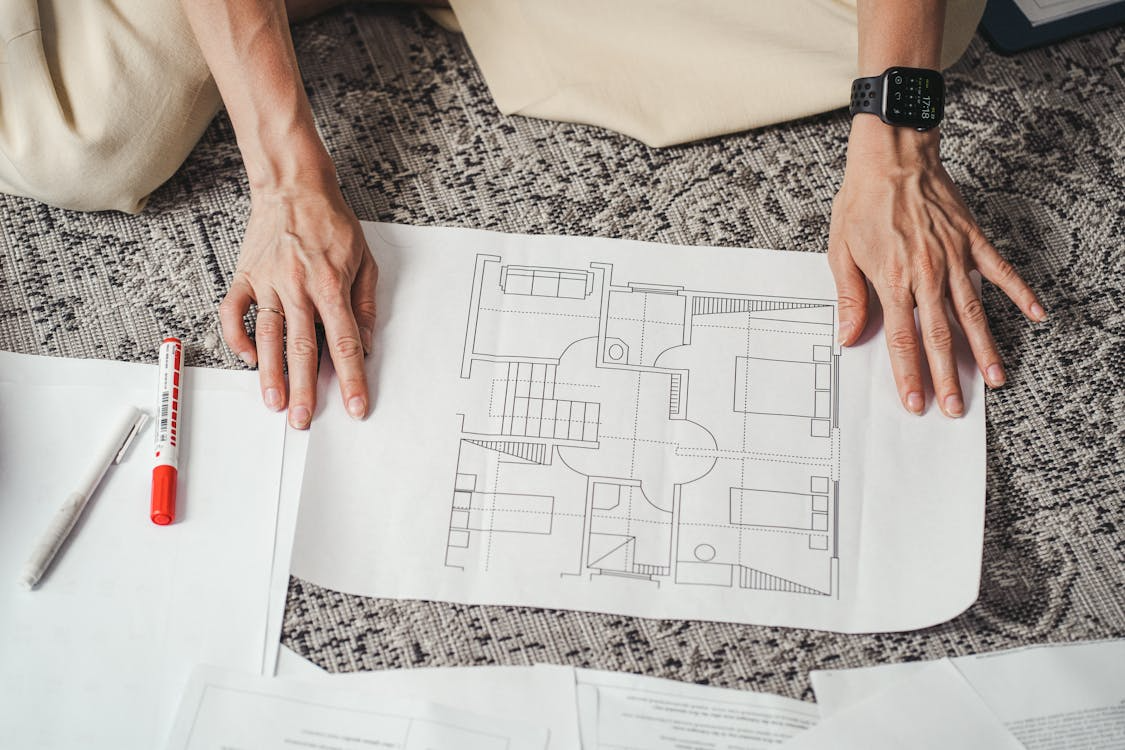
Layout plays a significant role. A home with well-designed living spaces, open floor plans, and practical room placement may feel larger and more functional than one with the same square footage but a poor layout.
The quality of construction and interior finishes also influences value. A smaller home with modern upgrades may sell for more than a larger home that requires extensive renovations. Buyers often prioritize condition and usability alongside size.
Learn How Property Size, Lot Shape, and Layout Influence Value for broader space factors.
How Finished and Unfinished Space Is Valued
Not all square footage contributes equally to property value. Real estate valuations typically focus on finished living space that is heated, accessible, and suitable for everyday use.
Areas such as finished basements, converted attics, or enclosed sunrooms may add value, but they are often evaluated differently than the main living areas. In some markets, these spaces are counted separately rather than included in the official square footage total.
Unfinished areas like garages, storage rooms, or unfinished basements usually contribute less value because they are not considered primary living space. Buyers still appreciate these features, but they are not valued as highly as finished rooms.
Neighborhood Context Matters
The value impact of square footage also depends on the surrounding neighborhood. In communities where most homes fall within a similar size range, significantly larger properties may command higher prices.
However, there can be limits. If a home is much larger than others in the area, the market may not fully reward the extra space. Buyers often compare homes within a certain range, and properties that exceed neighborhood norms may struggle to recover the full cost of their size.
This is why appraisers typically compare homes with similar square footage when estimating value. Context within the local housing market plays a key role in determining how much size truly matters.
Read Why Location Is Still the Most Important Real Estate Factor for local pricing impact.
Balancing Size With Function and Demand
Square footage remains one of the most visible indicators of property value, but it works best when combined with other factors. Layout, condition, location, and buyer demand all shape how size translates into price.
For homeowners, understanding the relationship between square footage and market value can help explain pricing differences among similar homes. Larger properties often command higher prices, but thoughtful design and strong maintenance can be just as important in determining a home’s true worth.