
Understanding renovations that don’t add value can help homeowners avoid costly mistakes.
Home renovations are often seen as a reliable way to increase property value. While many improvements can enhance a home’s appeal, not every remodeling project produces a financial return. In some cases, renovations may add little to a property’s value or even make it harder to sell.
The real estate market ultimately determines how much buyers are willing to pay for certain features, and projects that exceed neighborhood expectations or reflect highly personal tastes may not translate into higher resale prices.
Over-Improving for the Neighborhood
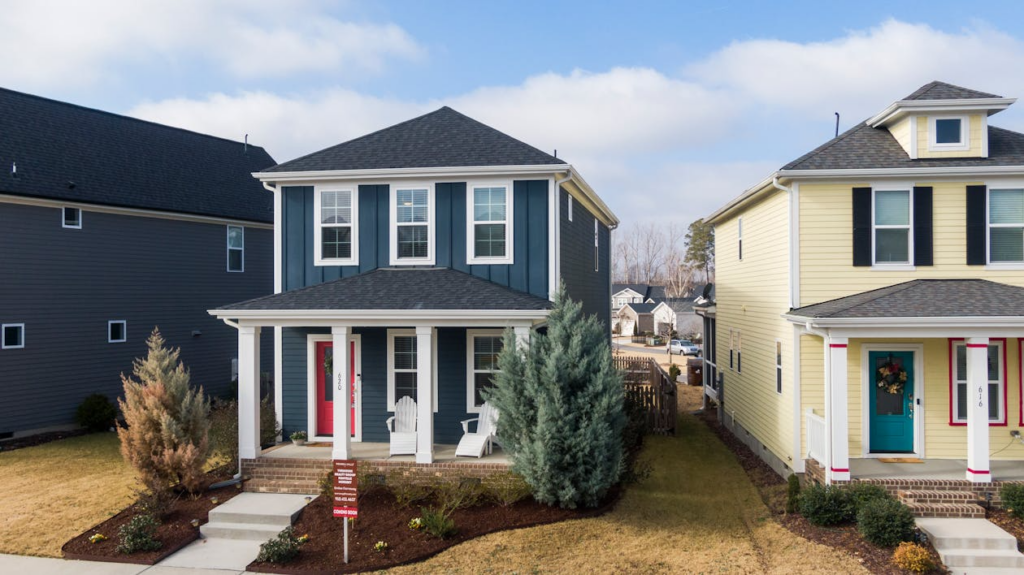
One of the most common renovation mistakes is when homeowners invest in upgrades that exceed their neighborhood’s standards. Nearby comparable properties heavily influence real estate values, and surrounding homes often establish a price ceiling.
For example, installing luxury finishes, high-end appliances, or custom architectural features may significantly increase renovation costs. However, if nearby homes do not offer similar upgrades, buyers may be unwilling to pay a much higher price.
In these situations, the renovation may improve the homeowner’s comfort but not significantly increase the property’s market value.
Explore How Neighborhood Quality Impacts Home Value to better understand local pricing limits.
Highly Personalized Design Choices
Another renovation mistake involves highly personalized design decisions. Bold color schemes, unusual materials, or specialized features may reflect the homeowner’s unique taste but may not appeal to a broad group of buyers.
For instance, brightly colored cabinetry, unconventional tile patterns, or extremely customized room layouts can make a home feel less versatile. Buyers often prefer neutral designs that allow them to imagine their own style within the space.
When renovations become too personalized, buyers may mentally calculate the cost of reversing those changes, which can reduce the home’s perceived value.
Read What Makes a Property ‘Overvalued’ or ‘Undervalued’ for insight into pricing perception.
Converting Bedrooms Into Other Spaces
In some cases, homeowners reduce the number of bedrooms to create larger living areas, offices, or entertainment spaces. While these changes may improve the homeowner’s daily living, they can reduce the property’s resale value.
Bedroom count is an important factor in real estate pricing because it influences how families evaluate housing options. A home with fewer bedrooms may appeal to a smaller group of buyers than similar homes that retain their original bedroom layout.
Unless the local market strongly favors open living spaces over bedroom count, removing bedrooms can make a property less competitive.
Excessive Luxury Upgrades
Luxury upgrades can sometimes produce disappointing returns on investment. Features such as elaborate home theaters, custom wine cellars, or highly specialized entertainment spaces may appeal to a narrow segment of buyers.
While these features can be impressive, they may not justify significantly higher home prices if the surrounding neighborhood does not support those amenities. Buyers often prioritize practical improvements over niche luxury additions.
When luxury upgrades become too specialized, they can even limit the pool of interested buyers, making it harder to sell the property.
Learn How Renovations Affect Appraised Value to see how upgrades influence valuations.
Poor Quality Renovation Work
Even well-intentioned renovations can fail to add value if the work is completed poorly. Low-quality materials, improper installations, or unfinished details may raise concerns about the overall condition of the home.
Buyers and appraisers often notice these issues quickly. Instead of increasing value, poorly executed renovations may raise doubts about whether other areas of the home were properly maintained.
Professional workmanship and durable materials are important factors in ensuring renovations contribute positively to property value.
Check Renovations That Typically Increase Home Value the Most to focus on high-return improvements.
Renovating With Market Expectations in Mind
Successful renovations typically focus on improvements that enhance functionality, durability, and overall appeal without exceeding local market expectations.
Projects that modernize kitchens, bathrooms, or essential home systems often provide stronger returns because they address features buyers value most. Cosmetic updates that create a clean, neutral presentation can also improve how buyers perceive the property.
Before beginning a renovation, homeowners may benefit from researching neighborhood property values and buyer preferences. By aligning renovation plans with market expectations, it becomes more likely that improvements will enhance both enjoyment and long-term property value.