As buyer expectations evolve, certain smart features are becoming attractive selling points that can help homes stand out in competitive markets.
Smart home technology has rapidly moved from novelty to mainstream expectation in many modern homes, raising an important question about smart home property value. Devices such as smart thermostats, lighting systems, security cameras, and voice-controlled assistants are increasingly common, raising an important question for homeowners: Do smart home features actually increase property value?
The answer depends on the type of technology installed and how well it integrates into the home. While smart upgrades can improve convenience, most real estate markets still view them as enhancements rather than major value drivers. Unlike structural improvements such as additional square footage or new kitchens, smart technology typically adds perceived value rather than dramatically changing a property’s appraised price.
Why Buyers Appreciate Smart Home Features
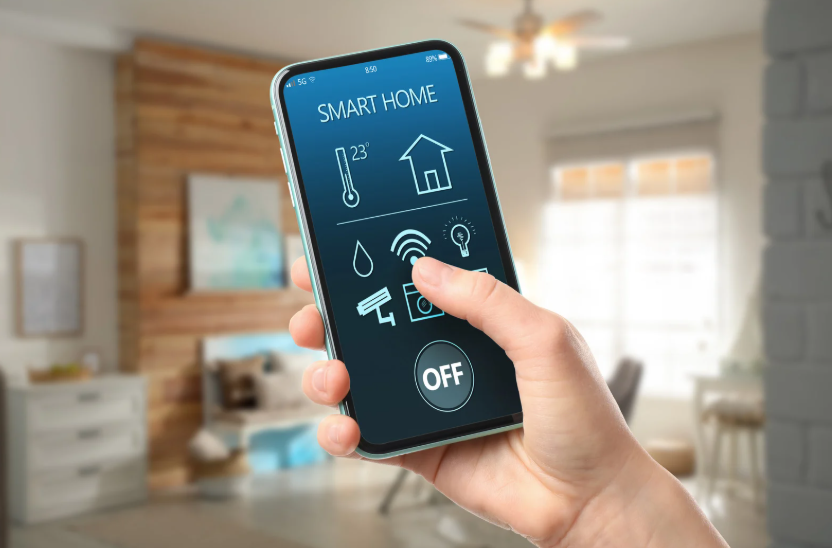
Smart home technology appeals to buyers because it promises convenience and control. Systems that allow homeowners to adjust lighting, temperature, or security settings from a smartphone create a sense of efficiency and modern living.
One of the most popular upgrades is the smart thermostat. These devices automatically adjust heating and cooling based on occupancy patterns and weather conditions, helping homeowners reduce energy costs while maintaining comfort. Buyers often see these systems as both environmentally responsible and financially practical.
Smart lighting systems are another commonly appreciated feature. The ability to control lights remotely, schedule them to turn on automatically, or adjust brightness levels adds convenience and enhances security when homeowners are away.
Although these features rarely increase appraised value significantly, they can improve a buyer’s perception of the property.
Explore Why Two Homes on the Same Street Can Have Very Different Values for more on value differences.
Security Technology and Buyer Confidence
Smart security systems have become one of the most attractive smart home upgrades. Devices such as video doorbells, smart locks, and remote-access cameras allow homeowners to monitor their property from anywhere.
These technologies provide an added sense of safety and peace of mind. Buyers often appreciate the ability to receive alerts when someone approaches their home or to check camera footage through a mobile app.
In many cases, security-focused smart upgrades are particularly appealing to families or homeowners who travel frequently. The ability to monitor deliveries, visitors, and unexpected activity can make a home feel more secure.
While appraisers may not assign large dollar values to these devices individually, their presence can make a property feel more modern and move-in ready.
Learn How Nearby Amenities Influence Property Value for insight into location-driven demand.
Energy Efficiency and Long-Term Savings
Some smart home features overlap with energy efficiency improvements, which can indirectly influence home value. Smart thermostats, automated window shades, and energy-monitoring systems help homeowners track and reduce energy use.
Energy efficiency improvements tend to provide greater long-term value because they lower a home’s operating costs. Buyers increasingly pay attention to these savings when comparing properties, particularly as energy prices fluctuate.
Homes that combine smart technology with efficient systems, such as high-efficiency HVAC equipment or improved insulation, may stand out in markets where buyers are concerned about monthly utility costs.
Although these upgrades may not dramatically increase appraised value, they can improve marketability and buyer interest.
Check How Energy Efficiency Improvements Affect Property Value to see efficiency-driven value gains.
Why Smart Features Don’t Always Boost Appraised Value
Despite their popularity, most smart home features do not significantly increase a home’s official valuation. Appraisers primarily rely on comparable sales when determining property value. If similar homes in the area do not include these technologies, it becomes difficult to assign a specific dollar amount to them.
Another challenge is the rapid pace of technological change. Smart devices can quickly become outdated as newer models with expanded capabilities emerge. Buyers may appreciate existing technology but still plan to upgrade it after moving in.
Because of this, smart features are often viewed more like appliances than permanent structural improvements. They can enhance a home’s appeal but rarely shift the property’s overall price category.
The Future of Smart Technology in Real Estate
Although smart features may not dramatically increase property value today, their influence on buyer expectations continues to grow. As more homes include connected technology, buyers may eventually begin to view certain systems as standard features.
Developers and homebuilders are already responding by integrating smart thermostats, security systems, and connected lighting into new construction. Over time, these technologies may become baseline expectations similar to central air conditioning or modern kitchen appliances.
For homeowners considering smart upgrades, the best approach is to focus on widely adopted, practical technologies rather than highly specialized systems. Features that improve convenience, security, and energy efficiency tend to offer the greatest return in buyer appeal.
Smart home technology may not transform a property’s valuation overnight, but it can help create a modern, efficient living environment that resonates with today’s buyers.
Read The Impact of Neighborhood Trends on Property Prices for perspective on evolving buyer expectations.