
Understanding what appraisers look for in a home appraisal can help homeowners prepare for a valuation and better understand the results.
When a home is being sold, refinanced, or used as collateral for a loan, a professional appraisal is often required to determine its market value. While online home value estimators provide quick estimates, lenders usually rely on licensed appraisers because they conduct a detailed inspection of the property.
Appraisers evaluate a variety of factors that influence how much a home would likely sell for in the current market. Their job is not to determine what a homeowner hopes to receive, but rather to estimate the price a typical buyer would reasonably pay.
Property Size and Layout
One of the first elements an appraiser examines is the home’s overall size. Square footage plays a significant role in determining value because it reflects the amount of usable living space the property provides.
During the inspection, the appraiser measures or verifies the home’s size and reviews how the space is arranged. The number of bedrooms and bathrooms is particularly important because these features strongly influence buyer demand.
Layout also matters. Homes with functional floor plans that provide efficient use of space tend to appeal to buyers more than homes with awkward room arrangements or poorly designed traffic flow.
Explore Understanding Price Per Square Foot for insights on how size influences pricing.
Interior Condition and Maintenance
Appraisers carefully evaluate the condition of the home’s interior. They look for signs of maintenance, construction quality, and any visible problems that could affect the property’s value.
Well-maintained homes generally receive stronger valuations because buyers perceive them as move-in ready. Clean flooring, updated kitchens, and modern bathrooms can all contribute positively to the appraisal.
On the other hand, visible damage or deferred maintenance may reduce value. Issues such as water damage, cracked walls, outdated electrical systems, or aging HVAC units can raise concerns about future repair costs for potential buyers.
See What Makes a Property ‘Overvalued’ or ‘Undervalued’ for insight into pricing differences.
Structural and System Components
Beyond cosmetic features, appraisers also pay close attention to the property’s major structural components. These elements include the roof, foundation, walls, plumbing systems, and heating or cooling equipment.
If these systems appear outdated or poorly maintained, they may negatively influence the appraisal. Buyers often factor the cost of replacing major systems into their purchase decisions, so appraisers must consider these factors when estimating value.
However, the appraisal inspection is not as detailed as a full home inspection. The appraiser’s role is to observe visible conditions and identify factors that might influence market value rather than diagnose every potential mechanical issue.
Exterior Features and Lot Characteristics
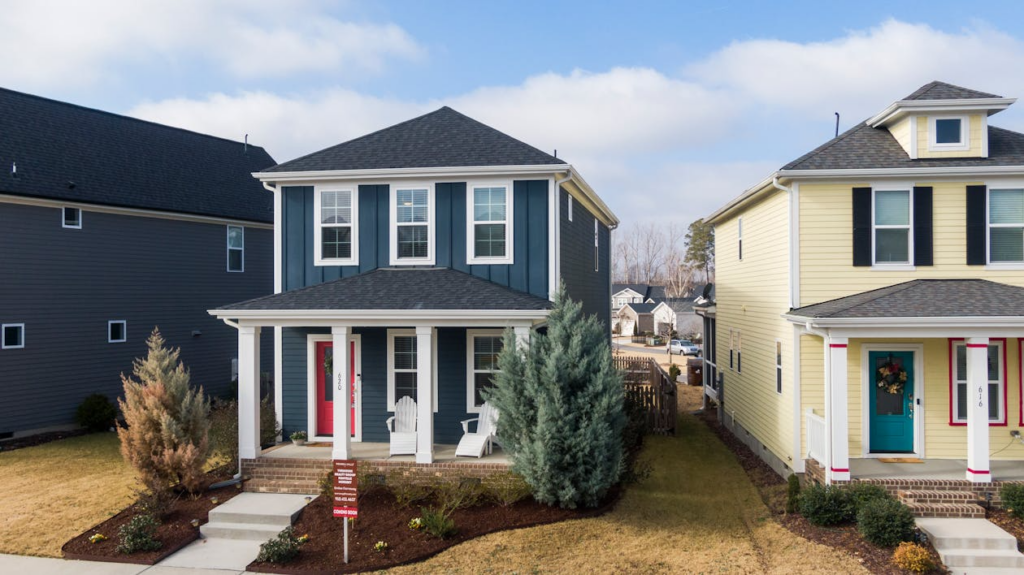
The outside of the property is another important part of the valuation process. Appraisers evaluate the home’s curb appeal, exterior condition, and the size and usability of the lot.
Features such as landscaping, patios, decks, or outdoor living areas can improve buyer perception and therefore contribute to value. A larger lot or a well-designed yard may also make a property more attractive than nearby homes.
Location within the neighborhood can also influence the appraisal. Homes located on quiet streets, in cul-de-sacs, or on lots with desirable views may receive higher valuations than similar properties near busy roads or commercial areas.
Comparable Sales in the Neighborhood
While the physical inspection is important, appraisers rely heavily on comparable sales when determining a final value estimate. They research recently sold homes in the same area that share characteristics similar to those of the property being evaluated.
These comparable properties provide real market evidence of what buyers have recently paid for similar homes. Appraisers analyze multiple comps and adjust for differences in size, condition, or features.
By combining the physical inspection with comparable sales data, the appraiser can estimate a realistic price range for the property in today’s market.
Read The Role of Recent Sales in Determining Home Value for context on comparable pricing.
The Goal of a Professional Appraisal
A home appraisal is designed to provide an unbiased opinion of value based on both property characteristics and market evidence. Lenders rely on this estimate to ensure the loan amount aligns with the property’s true market value.
For homeowners, understanding the appraisal process can remove some of the mystery from property valuations. While cosmetic improvements may help, overall condition, location, and comparable sales often play the largest roles in determining value.
Preparing a home with basic maintenance and clear documentation of recent upgrades can help ensure the appraiser has accurate information when evaluating the property.
Learn How Home Value Is Actually Calculated to connect appraisal with valuation methods.