Understanding how local development influences property values helps homeowners and buyers interpret why prices rise or fall as communities evolve.
Property values are influenced not only by the homes themselves but also by what happens around them. New construction, infrastructure improvements, and business expansion can reshape neighborhoods and dramatically affect real estate prices. Local development often signals growth, attracting buyers and increasing demand for nearby housing.
When communities invest in roads, schools, commercial centers, and public amenities, the surrounding area can become more attractive to both residents and businesses. As demand rises, property values often follow. At the same time, some development projects can create challenges that affect housing prices in different ways depending on how they change a neighborhood’s character.
Infrastructure Improvements and Accessibility
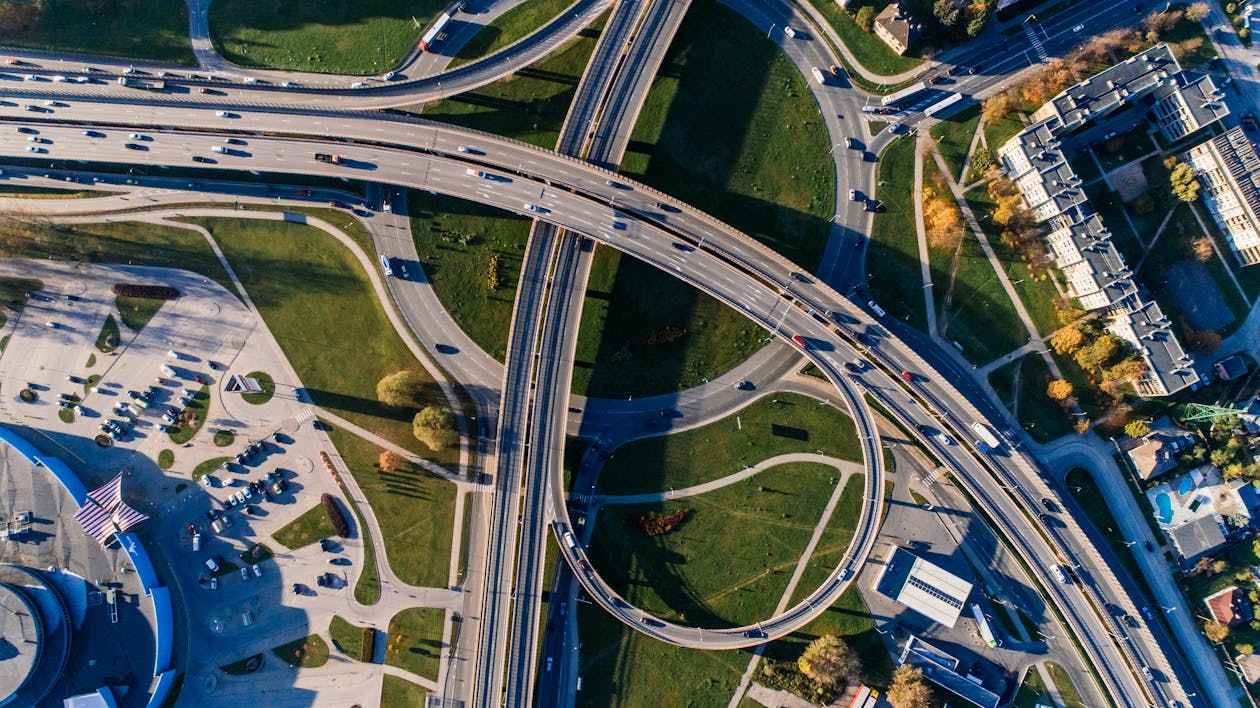
One of the most significant ways development affects property value is through improved infrastructure. New highways, public transit lines, bridges, and road expansions can make neighborhoods more accessible and reduce commute times.
When transportation access improves, previously overlooked areas may become more attractive to buyers who work in nearby cities. Shorter travel times increase convenience, which often leads to higher housing demand.
Public transit expansions can have a similar effect. Homes near train stations, bus routes, or transit hubs often become more desirable to commuters seeking alternatives to driving. As a result, neighborhoods connected to improved transportation networks may experience rising property values over time.
Infrastructure projects can transform the appeal of entire regions by making them easier to reach and more convenient for daily life.
Read How Nearby Amenities Influence Property Value for location-driven pricing insight.
Commercial Development and Local Businesses
New businesses and commercial centers also help shape neighborhood property values. Shopping districts, restaurants, grocery stores, and entertainment venues can make communities more vibrant and convenient for residents.
Buyers often appreciate neighborhoods that offer nearby services and activities. The presence of retail centers and dining options can improve lifestyle convenience and create gathering spaces that strengthen community identity.
Commercial development can also signal economic growth. When businesses invest in an area, it often suggests confidence in the local economy. This perception can attract additional residents, thereby increasing housing demand and supporting rising property prices.
However, the type of commercial development matters. Well-planned retail districts and mixed-use developments tend to enhance neighborhoods, while poorly designed commercial projects may create congestion or noise that reduces residential appeal.
Explore How Walkability and Amenities Influence Property Prices for lifestyle impact.
Schools, Parks, and Public Amenities
Public investments in community amenities can also influence home values. New parks, recreational facilities, libraries, and schools often improve neighborhood quality and increase buyer interest.
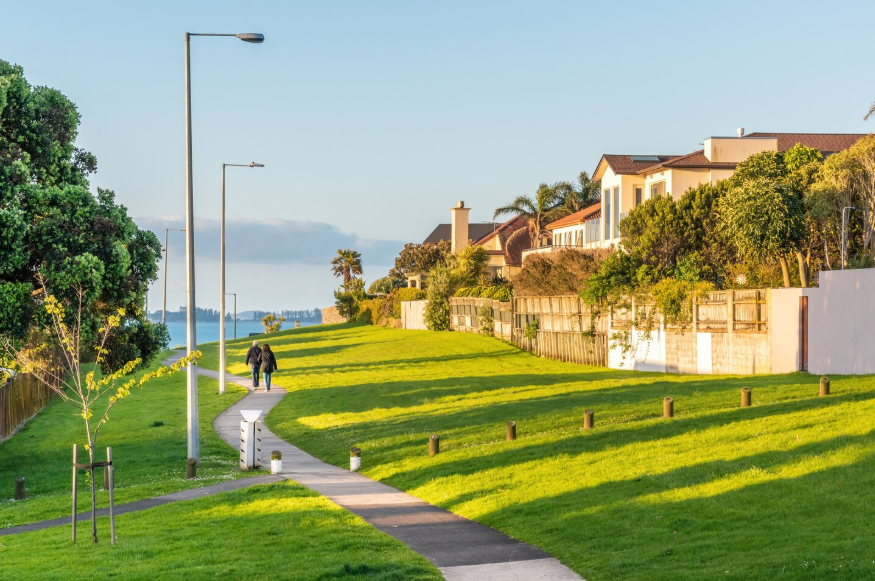
Green spaces, walking trails, and recreational areas contribute to a higher quality of life, making neighborhoods more attractive to families and individuals seeking outdoor activities. Homes near well-maintained parks often experience increased demand due to their access to these shared spaces.
Educational investments can have a similar impact. New schools or improvements to existing school systems can draw families to the area, strengthening housing demand and supporting higher property values.
Community amenities contribute to a neighborhood’s overall livability, which directly influences how buyers perceive the area.
Revitalization and Neighborhood Growth
In some communities, development takes the form of revitalization projects that transform aging or underused areas. Renovated buildings, updated streetscapes, and new housing developments can breathe new life into older neighborhoods.
These revitalization efforts often attract new residents, businesses, and investment. As the neighborhood improves, property values may rise because the area becomes more desirable.
However, rapid development can also create concerns among existing residents, particularly if housing costs increase significantly. While rising property values can benefit homeowners, they may also lead to changes in neighborhood demographics and affordability.
The long-term impact of revitalization depends on how development is managed and how it balances growth with community stability.
See Why Some Neighborhoods Appreciate Faster Than Others for growth patterns.
Why Development Trends Matter for Homeowners
Local development projects can influence property values long before construction is completed. Buyers often consider proposed infrastructure improvements, new business developments, and zoning changes when evaluating neighborhoods.
These signals help buyers anticipate how the area might evolve. Homes located near promising development projects may attract increased interest because buyers expect the neighborhood to become more desirable in the future.
At the same time, not all development has positive effects. Projects that increase traffic, noise, or density beyond what residents expect can reduce buyer interest in certain areas.
For homeowners, staying informed about local planning initiatives and community development proposals can provide valuable insight into how neighborhood changes might affect property value.
Ultimately, real estate markets are shaped by more than just the homes themselves. Infrastructure improvements, business investment, and community amenities all influence how neighborhoods evolve. As local development transforms communities, property values often shift in step with these changes, reflecting the area’s growing or declining appeal.
Learn How Market Cycles Affect Home Value Estimates for a broader valuation context.